
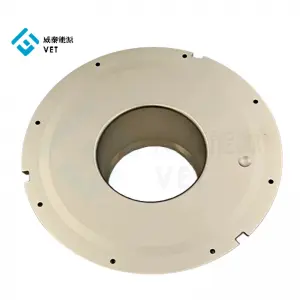
Imagine your electronic devices lasting longer and performing better, even in harsh conditions. That’s what TAC Coating Technology brings to the table. This advanced TAC Coating shields your gadgets from wear and tear caused by heat, chemicals, and contaminants. With innovations like cvd tac coating, you get unmatched protection and reliability for your electronics, thanks to the superior performance of TAC Coatings.
Key Takeaways
- TAC Coatings help devices work in very hot or cold places.
- They stop damage from chemicals, acids, and water on parts.
- TAC Coatings make electronics last longer, saving money on fixes.
How TAC Coatings Protect Electronic Devices
Resistance to Extreme Temperatures
Have you ever wondered how your devices survive extreme heat or freezing cold? TAC Coating plays a crucial role here. It creates a protective barrier that keeps electronic components stable, even when temperatures swing wildly. Whether you’re dealing with scorching heat in industrial settings or freezing conditions in aerospace applications, this coating ensures your devices stay functional. You can count on it to prevent overheating or cracking caused by thermal stress. With TAC Coating, your electronics are ready to face the elements.
Protection Against Chemical Corrosion
Chemicals can wreak havoc on electronic devices. Think about the damage caused by exposure to acids, solvents, or even moisture. TAC Coating steps in as a shield, preventing these harmful substances from corroding sensitive components. It forms a tough, non-reactive layer that blocks chemical reactions. This means your devices stay safe, even in environments filled with corrosive agents. Whether you’re working in a lab, factory, or outdoors, this coating keeps your electronics in top shape.
Shielding from Environmental Contaminants
Dust, dirt, and moisture are the silent enemies of electronics. They sneak into tiny crevices and cause malfunctions over time. TAC Coating acts like a guardian, sealing off your devices from these contaminants. It keeps your circuits clean and dry, ensuring smooth performance. You won’t have to worry about sudden breakdowns caused by environmental factors. With this coating, your electronics stay protected, no matter where you use them.
Key Benefits of TAC Coatings
Enhanced Durability and Wear Resistance
You want your devices to last, right? TAC Coating makes that possible by adding a tough layer of protection. This coating resists scratches, abrasions, and general wear and tear. Whether your device faces constant handling or operates in a rugged environment, it stays intact. You’ll notice fewer signs of damage over time, which means your electronics will look and perform like new for longer. It’s like giving your devices a suit of armor that keeps them ready for action.
Prolonged Lifespan of Electronic Components
Nobody likes replacing electronics too often. TAC Coating helps you avoid that hassle. By shielding components from heat, chemicals, and contaminants, it reduces the risk of failure. Your devices stay functional for years, even in challenging conditions. This extended lifespan means you can rely on your electronics without worrying about sudden breakdowns. It’s a smart way to get the most out of your investment while keeping your gadgets running smoothly.
Cost-Effective Maintenance and Repairs
Let’s face it—repairs can be expensive. TAC Coating saves you money by preventing damage in the first place. With fewer issues to fix, you’ll spend less on maintenance. Plus, when repairs are needed, they’re often simpler and cheaper because the coating minimizes wear and corrosion. It’s a win-win for your wallet and your devices. You’ll appreciate the peace of mind that comes with knowing your electronics are protected and cost-efficient to maintain.
Applications of TAC Coatings in Electronics
Semiconductor Manufacturing and AlN Crystal Growth
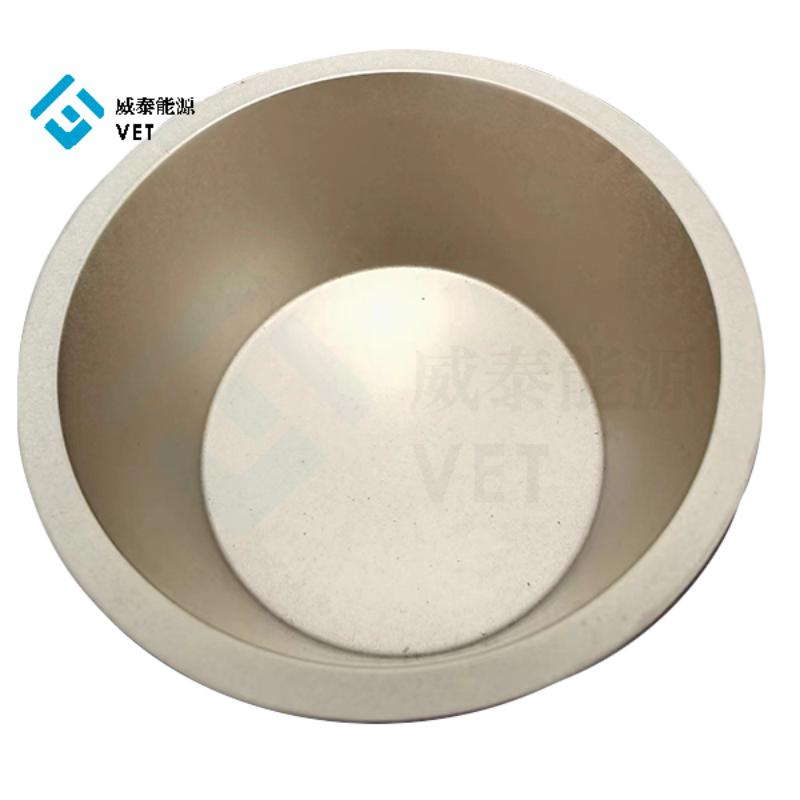
If you’re into tech, you know semiconductors are the backbone of modern electronics. TAC Coating plays a huge role in their production. It protects equipment used in semiconductor manufacturing from extreme heat and chemical exposure. This coating ensures precision and reliability during processes like AlN (aluminum nitride) crystal growth. These crystals are essential for high-performance devices like LEDs and power electronics. By using TAC Coating, manufacturers can maintain the quality of their tools and produce flawless components. It’s a game-changer for the tech industry.
Consumer Electronics and Circuit Protection
Your everyday gadgets, like smartphones and laptops, benefit from TAC Coating too. It shields delicate circuits from dust, moisture, and accidental spills. Imagine dropping your phone in water or using it in a humid environment. With this coating, your device has a better chance of surviving. It also prevents wear and tear caused by constant use. Whether it’s your gaming console or smartwatch, TAC Coating keeps your electronics running smoothly and lasting longer.
Industrial, Automotive, and Aerospace Applications
Industries like automotive and aerospace demand durability. TAC Coating delivers just that. It protects sensors, control units, and other electronic components from harsh conditions. Think about the extreme heat in a car engine or the freezing temperatures in space. This coating ensures electronics perform reliably, no matter the environment. It’s also widely used in industrial machinery, where it prevents damage from chemicals and heavy use. If you’re looking for robust protection, TAC Coating is the answer.
TAC coatings are a game-changer for protecting your electronics. They handle extreme conditions, prevent damage, and extend the life of your devices. Whether you’re in tech, aerospace, or just protecting your gadgets, this innovation ensures reliability. Ready to boost your device’s performance? Consider this solution for unmatched protection.