
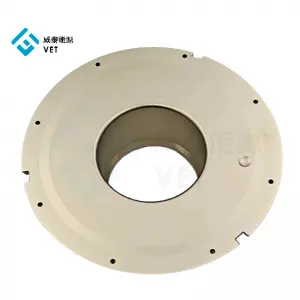
TaC coated rings feature a layer of tantalum carbide, a material prized for its unmatched hardness and resistance to wear. You’ll find these rings excel in extreme environments due to their thermal stability and chemical inertness. Industries like aerospace and semiconductor manufacturing rely on tac coatings for durability and performance in demanding applications, making them essential for applications that utilize cvd tac coating and tac coating guide rings.
Key Takeaways
- TaC coated rings are very hard and resist scratches. This helps them stay strong in tough situations.
- These rings are great at resisting wear, lasting longer in use. Using TaC coated rings lowers the chance of breaking and cuts down on repairs.
- TaC coated rings work well in high heat and harsh places. Their strength saves money over time, making them a good choice for many industries.
Properties of TaC Coated Rings
Exceptional Hardness
You’ll find that TaC Coated Rings are incredibly hard. Tantalum carbide ranks near the top of the Mohs hardness scale, making it one of the hardest materials available. This property ensures that the rings resist scratches and deformation, even under extreme pressure. If you need a material that can maintain its structural integrity in challenging conditions, these rings are an excellent choice.
Superior Wear Resistance
TaC Coated Rings excel in resisting wear and tear. The coating forms a tough, protective layer that minimizes surface damage caused by friction or repeated use. This makes them ideal for applications where components experience constant movement or contact. By choosing these rings, you reduce the risk of premature failure and extend the lifespan of your equipment.
High Thermal Stability
Tantalum carbide’s ability to withstand high temperatures is remarkable. TaC Coated Rings maintain their performance even in environments exceeding 3,000°F. This thermal stability ensures that the rings do not lose their hardness or wear resistance when exposed to extreme heat. You can rely on them for applications in industries like aerospace or high-temperature manufacturing.
Chemical Inertness
TaC Coated Rings resist chemical reactions, even when exposed to corrosive substances. The tantalum carbide coating acts as a barrier, preventing damage from acids, alkalis, or other reactive chemicals. This property makes these rings indispensable in chemical processing or environments where corrosion is a concern. You can trust them to perform reliably without degradation.
Benefits of TaC Coated Rings
Enhanced Durability and Longevity
You can count on TaC Coated Rings to last longer than many other materials. The tantalum carbide coating creates a robust surface that resists damage from wear, scratches, and environmental factors. This durability ensures that the rings maintain their structural integrity over time, even in demanding applications. By choosing these rings, you reduce the need for frequent replacements. This means less downtime for your equipment and more consistent performance.
Reliable Performance in Extreme Environments
TaC Coated Rings perform exceptionally well in extreme conditions. Whether exposed to high temperatures, corrosive chemicals, or intense mechanical stress, these rings maintain their properties. You can rely on them to deliver consistent results in environments where other materials might fail. Their ability to resist thermal degradation and chemical reactions makes them indispensable in industries like aerospace and chemical processing. This reliability ensures that your operations run smoothly, even under challenging circumstances.
Cost-Effectiveness Over Time
Investing in TaC Coated Rings saves you money in the long run. Their durability and resistance to wear reduce the frequency of replacements and repairs. This translates to lower maintenance costs and improved operational efficiency. Additionally, their reliable performance minimizes the risk of equipment failure, which can lead to costly downtime. By choosing these rings, you make a cost-effective decision that benefits your business over time.
Applications of TaC Coated Rings
Use in High-Temperature Environments
You can rely on TaC Coated Rings for applications that involve extreme heat. These rings perform exceptionally well in environments where temperatures exceed 3,000°F. Their high thermal stability ensures they retain their hardness and resist deformation even under intense heat. This makes them ideal for use in furnaces, jet engines, and other high-temperature systems. By choosing these rings, you ensure consistent performance and reduce the risk of failure in heat-intensive operations.
Applications in Corrosive or Reactive Settings
TaC Coated Rings excel in environments where exposure to corrosive or reactive substances is unavoidable. The tantalum carbide coating acts as a shield, protecting the rings from damage caused by acids, alkalis, or other aggressive chemicals. You’ll find these rings particularly useful in chemical processing plants, where equipment often comes into contact with harsh substances. Their chemical inertness ensures they maintain their integrity, reducing the need for frequent replacements and minimizing downtime.
Industries Benefiting from TaC Coated Rings, Including Aerospace, Semiconductor Manufacturing, and Chemical Processing
Several industries benefit from the unique properties of TaC Coated Rings. In aerospace, these rings withstand the extreme conditions of high-speed flight and space exploration. Semiconductor manufacturing relies on them for their precision and resistance to wear during production processes. In chemical processing, their ability to resist corrosion ensures reliable performance in harsh environments. By using these rings, industries achieve greater efficiency and durability in their operations.
TaC coated rings offer unmatched hardness, wear resistance, thermal stability, and chemical inertness. You gain enhanced durability, reliable performance in extreme conditions, and long-term cost savings. These rings excel in demanding environments, making them a superior choice for industries like aerospace, semiconductor manufacturing, and chemical processing. Their unique properties ensure consistent and efficient operations.