
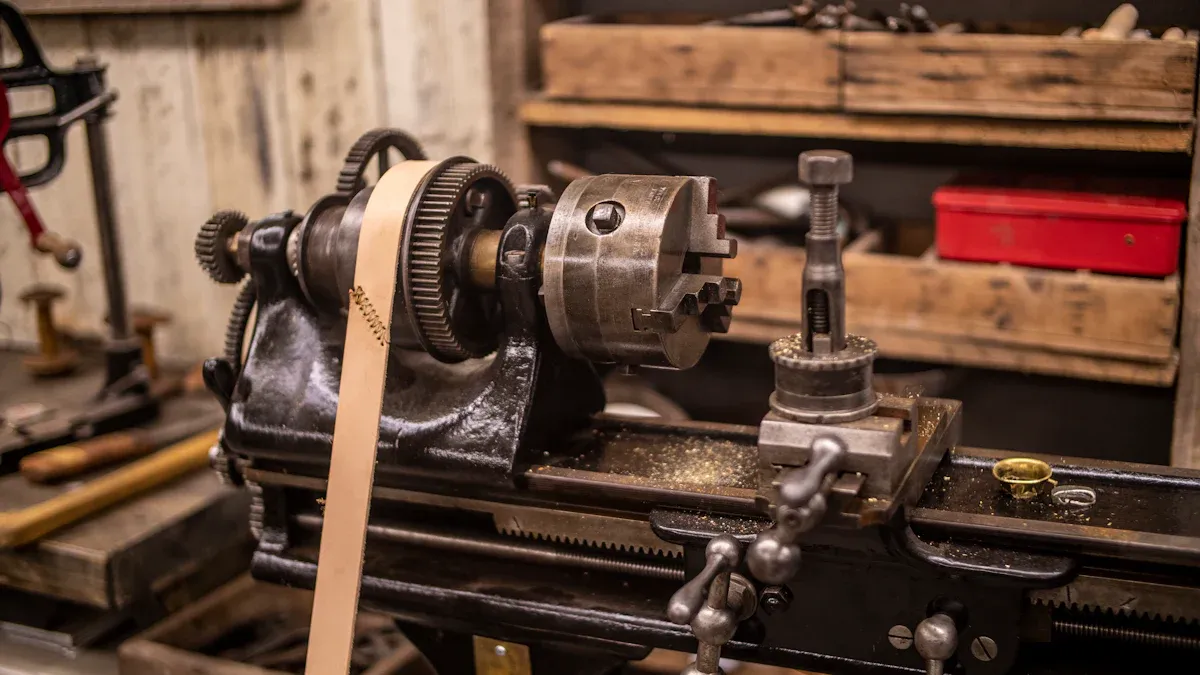
TAC coating, or Tantalum Carbide Coating, strengthens machining tools by enhancing hardness and wear resistance. You can rely on it to improve thermal stability during high-stress operations. Unlike the sic coating process or cvd sic coating, TAC coating offers unmatched durability. This tic tac coating ensures tools perform efficiently, even under extreme conditions.
Key Takeaways
- TAC Coating makes tools last longer by stopping wear and tear.
- It reduces friction and heat, making work faster and more accurate.
- TAC Coating lowers costs by needing fewer repairs and replacements.
Understanding TAC Coating
What is TAC Coating?
TAC Coating, short for Tantalum Carbide Coating, is a protective layer applied to machining tools. It enhances their performance by increasing hardness and resistance to wear. This coating consists of tantalum carbide, a compound known for its exceptional strength and durability. You’ll find it particularly useful in environments where tools face extreme heat and pressure. By applying TAC Coating, you can ensure your tools last longer and perform better under demanding conditions.
Key Properties of TAC Coating
TAC Coating offers several key properties that make it invaluable in mechanical machining:
- Hardness: It provides a tough surface that resists scratches and deformation.
- Thermal Stability: It maintains its integrity even at high temperatures.
- Wear Resistance: It reduces tool degradation caused by friction and repeated use.
- Chemical Resistance: It protects tools from corrosion and chemical reactions.
These properties allow you to achieve consistent results in your machining processes.
How TAC Coating Works in Machining Tools
TAC Coating forms a thin, uniform layer over the surface of machining tools. This layer acts as a barrier, shielding the tool from wear and tear. When you use tools with TAC Coating, the coating absorbs the stress and heat generated during machining. This reduces friction and prevents damage to the tool’s core material. As a result, you get tools that perform efficiently and require less frequent replacement.
Applications of TAC Coating in Mechanical Machining
Enhancing Durability of Cutting Tools
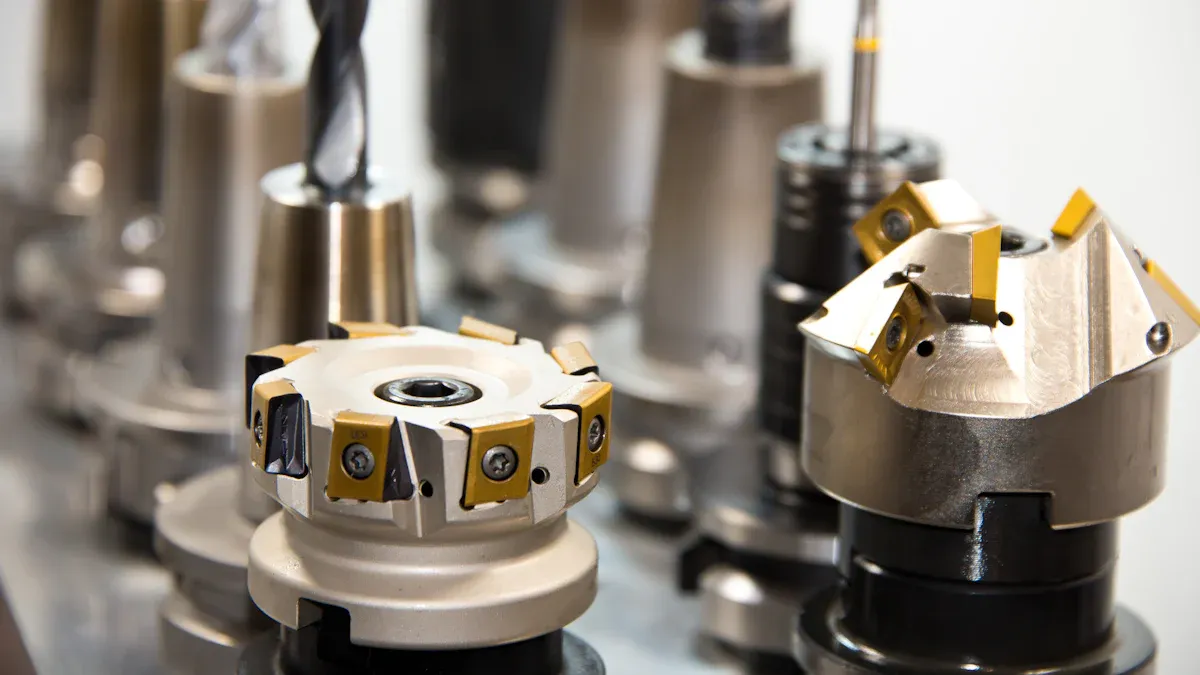
You rely on cutting tools to perform consistently under intense conditions. TAC Coating significantly improves their durability by forming a protective layer that resists wear and tear. This coating minimizes the impact of friction and heat, which are common causes of tool degradation. As a result, your cutting tools maintain their sharpness and precision for longer periods. This durability reduces the need for frequent replacements, saving you both time and money.
Improving Surface Finishing
Achieving a smooth surface finish is critical in machining. TAC Coating helps you accomplish this by reducing tool wear and ensuring consistent performance. The coating’s hardness allows tools to cut cleanly without leaving imperfections on the material. Whether you’re working with metals or composites, TAC Coating ensures a polished and professional finish. This improvement enhances the quality of your final product and meets the high standards of modern manufacturing.
Reducing Friction in High-Precision Machining
Precision machining demands tools that operate with minimal friction. TAC Coating reduces friction by creating a low-resistance surface on your tools. This reduction prevents overheating and ensures accurate cuts. You’ll notice improved efficiency and reduced energy consumption during machining. The coating also extends the lifespan of your tools, making it an essential choice for high-precision applications.
Applications in Drilling, Milling, and Turning
TAC Coating proves invaluable in various machining processes like drilling, milling, and turning. In drilling, it prevents bit wear and ensures clean, precise holes. During milling, it enhances tool stability, allowing you to achieve intricate designs. For turning operations, the coating reduces tool wear and ensures smooth, uninterrupted cuts. No matter the process, TAC Coating optimizes performance and delivers reliable results.
Benefits of TAC Coating in Machining Processes
Increased Tool Lifespan
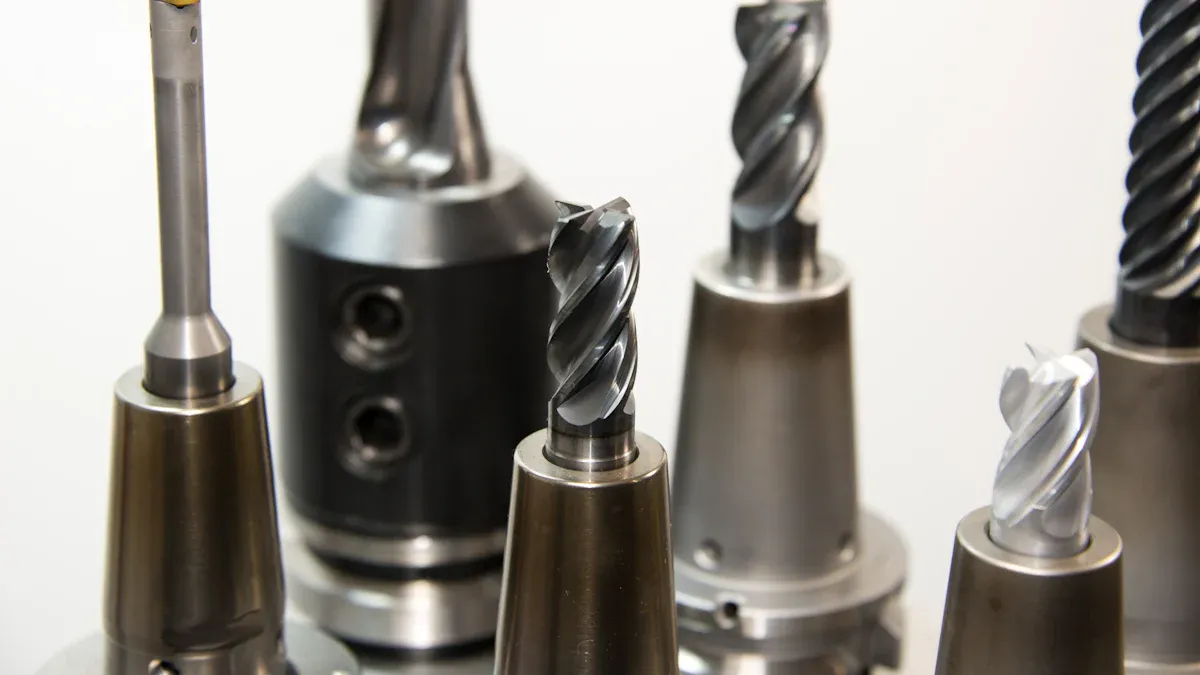
You want your machining tools to last as long as possible. TAC Coating helps you achieve this by forming a durable protective layer on the tool’s surface. This layer resists wear, heat, and chemical damage, which are the primary causes of tool failure. By reducing these factors, TAC Coating extends the lifespan of your tools significantly. You can rely on your equipment for longer periods without worrying about frequent replacements. This durability ensures that your tools remain effective even in demanding machining environments.
Enhanced Efficiency in Machining
Efficiency plays a crucial role in machining processes. TAC Coating improves efficiency by reducing friction and heat generation during operations. Tools coated with TAC perform smoother cuts and maintain their sharpness over time. This allows you to complete tasks faster and with greater precision. The coating also minimizes downtime caused by tool wear or failure, keeping your production line running seamlessly. With TAC Coating, you can achieve higher productivity while maintaining consistent results.
Cost Savings in Maintenance and Replacement
Frequent tool maintenance and replacement can strain your budget. TAC Coating reduces these costs by protecting your tools from premature wear and damage. You spend less on repairs and replacements, which translates to significant savings over time. Additionally, the coating’s durability means fewer interruptions in your workflow. This allows you to allocate resources more effectively and focus on other critical aspects of your operations.
Improved Product Quality and Consistency
The quality of your final product depends on the performance of your tools. TAC Coating ensures that your tools deliver consistent results by maintaining their sharpness and precision. This consistency leads to smoother finishes, accurate dimensions, and fewer defects in your products. Whether you’re machining metals, plastics, or composites, TAC Coating helps you meet high-quality standards. Your customers will appreciate the reliability and professionalism reflected in your work.
TAC Coating transforms machining processes by enhancing tool durability, efficiency, and precision. You can rely on it to improve product quality while reducing costs. Its ability to withstand extreme conditions makes it a game-changer for modern manufacturing. Explore this innovative solution to elevate your machining operations and achieve consistent, high-quality results.
FAQ
What types of tools benefit most from TAC Coating?
TAC Coating works best on cutting, drilling, milling, and turning tools. It enhances their durability, precision, and resistance to wear during high-stress machining operations.
How does TAC Coating improve machining efficiency?
It reduces friction and heat generation, allowing tools to cut smoothly. This improves precision, minimizes downtime, and ensures faster completion of machining tasks.
💡 Tip: Use TAC Coating for tools exposed to extreme heat or pressure for maximum efficiency.
Is TAC Coating suitable for all materials?
Yes, it works on metals, plastics, and composites. Its versatility ensures consistent performance across various materials, making it ideal for diverse machining applications.