
SiC ceramic coatings provide exceptional protection for your vehicle. They enhance durability, create a hydrophobic shield, and guard against environmental damage. The sic coating process ensures a long-lasting finish when done correctly. Whether applying a sic coating car or using cvd sic coating methods, following proper steps guarantees optimal results for your sic coating auto.
Key Takeaways
- Clean your car’s surface completely before adding the SiC coating. This helps it stick better and look smooth.
- Carefully follow each step to apply the coating. Work slowly to cover evenly for a shiny and strong finish.
- Take care of the SiC coating by washing often. Use gentle, pH-balanced cleaners to keep it water-repellent and nice-looking.
Preparing the Vehicle for SiC Coating Auto
Cleaning the Vehicle Surface
Start by thoroughly washing your vehicle to remove dirt, dust, and grime. Use a pH-balanced car shampoo and a microfiber wash mitt for the best results. Work in small sections to ensure every part of the surface gets cleaned. Rinse the vehicle with clean water and dry it using a soft microfiber towel. This step creates a clean base for the sic coating auto application.
Decontaminating with Clay Bar or Iron Remover
After cleaning, inspect the surface for stubborn contaminants like tar, tree sap, or iron particles. Use a clay bar or an iron remover to eliminate these impurities. Spray the iron remover on the surface and let it sit for a few minutes. Wipe it off with a clean towel. If using a clay bar, glide it gently over the surface with a lubricant to avoid scratches. This step ensures a smooth and contaminant-free surface.
Inspecting and Polishing the Surface
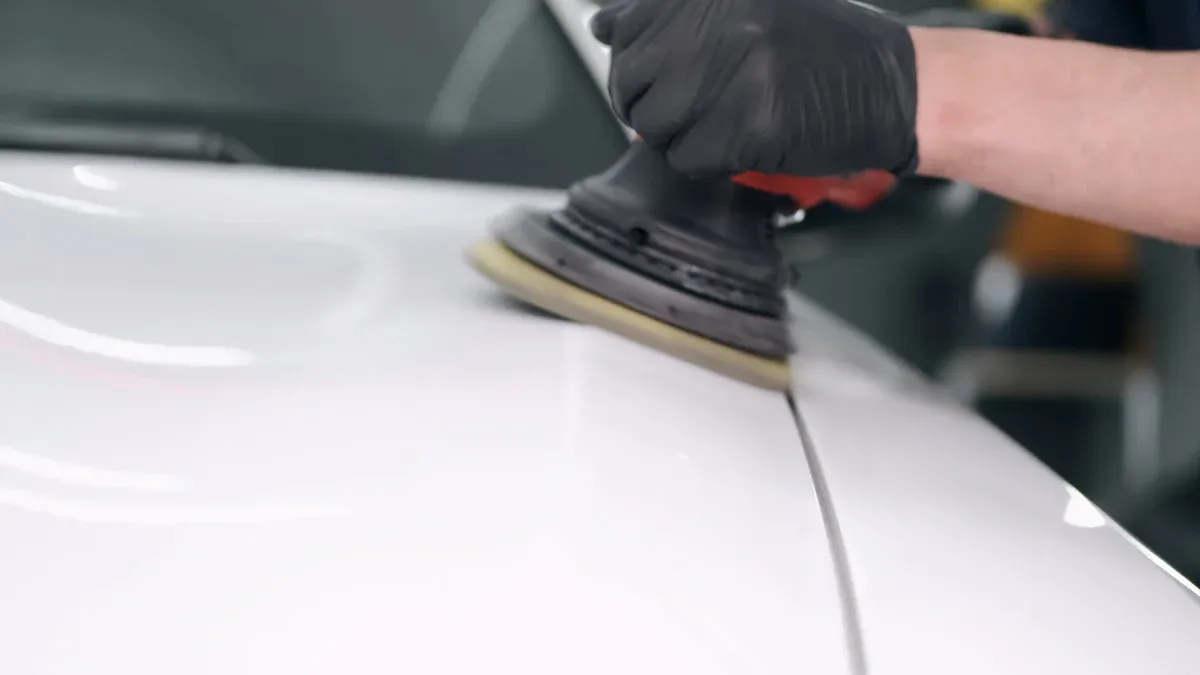
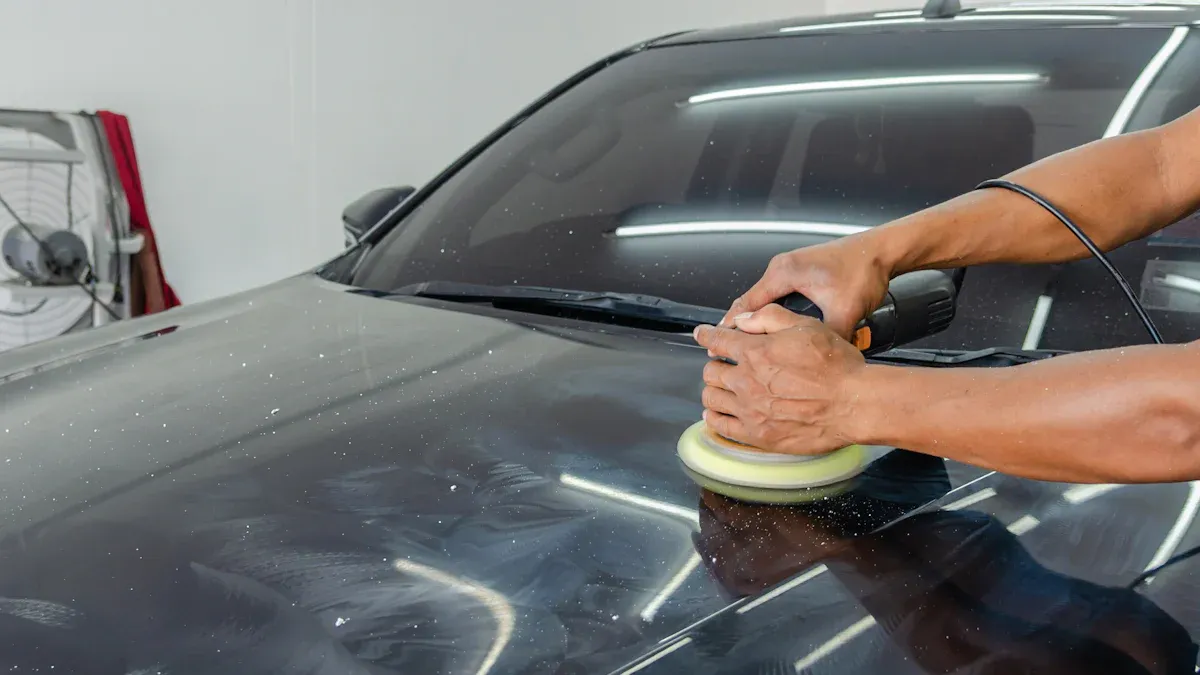
Examine the vehicle under good lighting to identify scratches, swirl marks, or oxidation. Use a dual-action polisher with a suitable polishing compound to correct these imperfections. Polishing enhances the paint’s clarity and prepares it for the sic coating auto. Wipe off any residue with a clean microfiber cloth.
Wiping Down with Isopropyl Alcohol (IPA)
Before applying the coating, wipe the surface with isopropyl alcohol (IPA). Mix IPA with water in a 1:1 ratio and spray it onto the surface. Use a lint-free cloth to remove any remaining oils or residues. This step ensures the coating bonds properly to the paint.
Applying the SiC Ceramic Coating
Tools and Materials Required
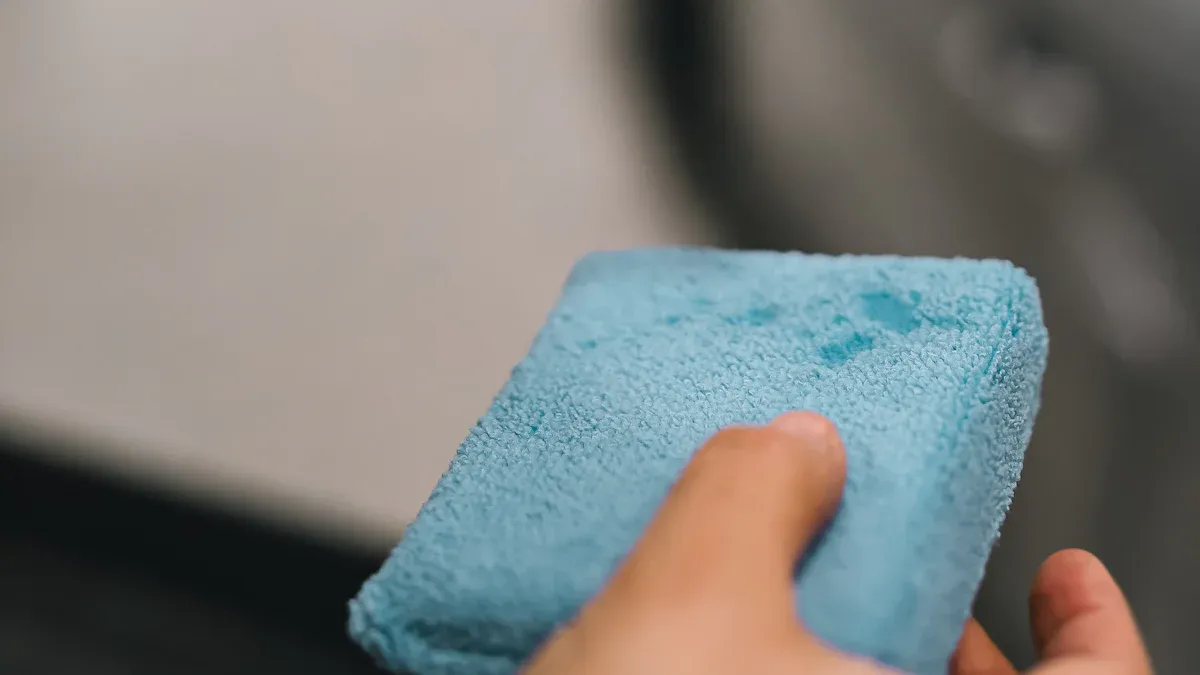
Before starting, gather all the necessary tools and materials. You will need a high-quality SiC ceramic coating product, an applicator pad, microfiber towels, nitrile gloves, and a timer. A small dropper bottle can help you control the amount of coating applied. Having these items ready ensures a smooth and efficient process.
Ideal Environmental Conditions
Choose the right environment for applying the coating. Work in a clean, dust-free area with good ventilation. The temperature should range between 50°F and 85°F, and humidity levels should stay below 70%. Avoid direct sunlight or windy conditions, as they can affect the coating’s performance. A controlled environment helps the sic coating auto bond effectively to the surface.
Step-by-Step Application Process
- Put on nitrile gloves to protect your hands.
- Shake the SiC ceramic coating bottle well.
- Apply a few drops of the coating onto the applicator pad.
- Work in small sections, spreading the coating evenly in a crosshatch pattern.
- Wait for the coating to flash (usually 1-5 minutes, depending on the product).
- Buff the area with a clean microfiber towel to remove excess coating.
- Repeat the process for the entire vehicle.
Take your time to ensure even coverage. This step is crucial for achieving a durable and glossy finish.
Avoiding Common Mistakes
Avoid applying too much product, as it can lead to streaks or uneven surfaces. Do not rush the process or skip steps like surface preparation. Ensure you buff off excess coating promptly to prevent high spots. Following these tips will help you achieve a flawless sic coating auto application.
Curing and Maintaining the Coating
Curing Timeframes and Process
After applying the SiC ceramic coating, allow it to cure properly. Curing ensures the coating bonds securely to the surface. Most coatings require an initial curing period of 24-48 hours. During this time, keep the vehicle in a dry, dust-free environment. Avoid exposing it to water or extreme temperatures. For full curing, the coating may take up to 7 days. Follow the manufacturer’s guidelines for specific curing times. Proper curing enhances the durability and performance of the coating.
Post-Application Care
Once the coating is applied, handle your vehicle with care. Avoid washing it for at least a week to allow the coating to settle completely. If you must clean the surface, use a damp microfiber cloth to remove light dust. Refrain from using harsh chemicals or abrasive materials during this period. These precautions help maintain the integrity of the freshly applied coating.
Long-Term Maintenance for SiC Coating Auto
To keep your sic coating auto in top condition, follow a regular maintenance routine. Wash your vehicle every two weeks using a pH-balanced car shampoo. Use a soft microfiber mitt to prevent scratches. Dry the surface thoroughly to avoid water spots. Periodically inspect the coating for signs of wear. If needed, apply a maintenance spray designed for ceramic coatings. This routine will preserve the coating’s hydrophobic properties and glossy finish for years.
Proper preparation, application, curing, and maintenance are essential for achieving a durable SiC ceramic coating. Taking your time and using high-quality tools ensures the best results.
Following each step carefully helps protect your vehicle while enhancing its appearance. With patience and attention to detail, you can enjoy a long-lasting, glossy finish.
FAQ
What makes SiC ceramic coatings better than traditional wax?
SiC ceramic coatings last longer and provide superior protection. They resist scratches, UV rays, and chemicals, unlike wax, which wears off quickly.
Can you apply SiC ceramic coating without professional help?
Yes, you can apply it yourself by following the steps carefully. However, professional application ensures precision and optimal results.
How often should you reapply SiC ceramic coating?
Reapply every 2-3 years, depending on the product and maintenance routine. Regular care extends the coating’s lifespan.
Tip: Always follow the manufacturer’s instructions for the best results.