
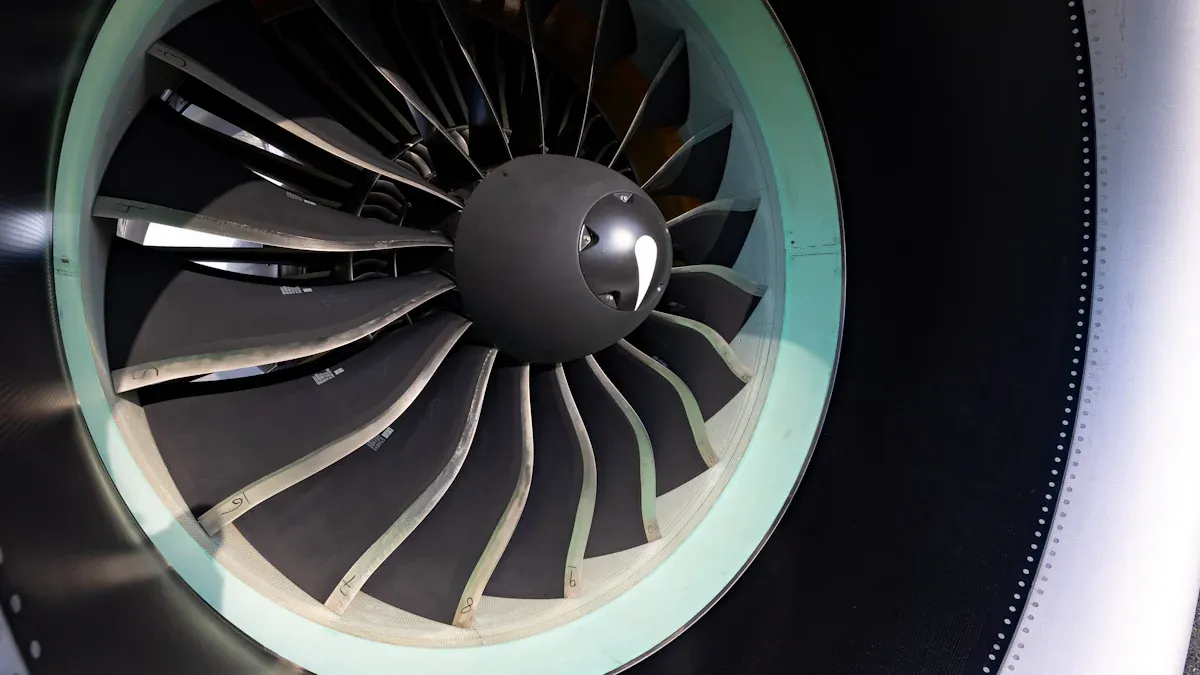
When it comes to aerospace technology, materials face extreme heat and stress. TaC Coating offers unmatched heat resistance and durability. You can rely on it to protect components like turbines and heat shields during high-temperature operations. Unlike traditional coatings, advanced methods like CVD coating enhance its performance. Combined with SiC coating, it ensures superior efficiency.
Key Takeaways
- TaC Coating can handle very high heat, melting above 3,800°C. This makes it great for protecting turbines and heat shields in tough conditions.
- TaC Coating lasts a long time and prevents damage to parts. This means fewer replacements and lower repair costs, saving money.
- TaC Coating helps machines work better by lowering friction and heat stress. This improves fuel use and cuts down on pollution in aerospace systems.
Understanding TaC Coating
Definition and Composition
TaC Coating, short for Tantalum Carbide Coating, is a protective layer made from tantalum and carbon. This material forms a compound with exceptional strength and heat resistance. You’ll find it applied to surfaces that need to endure extreme conditions, such as aerospace turbines and heat shields. The coating is typically created using advanced techniques like chemical vapor deposition (CVD). This process ensures a uniform and durable layer that bonds tightly to the underlying material.
The unique composition of TaC Coating gives it a melting point of over 3,800°C (6,872°F). This makes it one of the most heat-resistant materials available. Its structure also provides excellent resistance to wear and corrosion, which is crucial for aerospace components exposed to harsh environments.
Unique Properties for Aerospace Applications
TaC Coating offers several properties that make it ideal for aerospace use. Its ability to withstand extreme temperatures ensures that turbines and heat shields remain functional even during intense operations. You can rely on it to protect components from thermal damage, which helps maintain their performance over time.
Another key property is its durability. The coating resists wear and tear caused by friction and high-speed operations. This means fewer replacements and repairs, saving time and resources. Additionally, its corrosion resistance protects components from chemical reactions, especially in high-altitude or space environments.
By using TaC Coating, you enhance the safety and efficiency of aerospace systems. Its unique properties ensure that critical components perform reliably under the most demanding conditions.
Benefits of TaC Coating for Aerospace Turbines
Heat Resistance in High-Temperature Environments
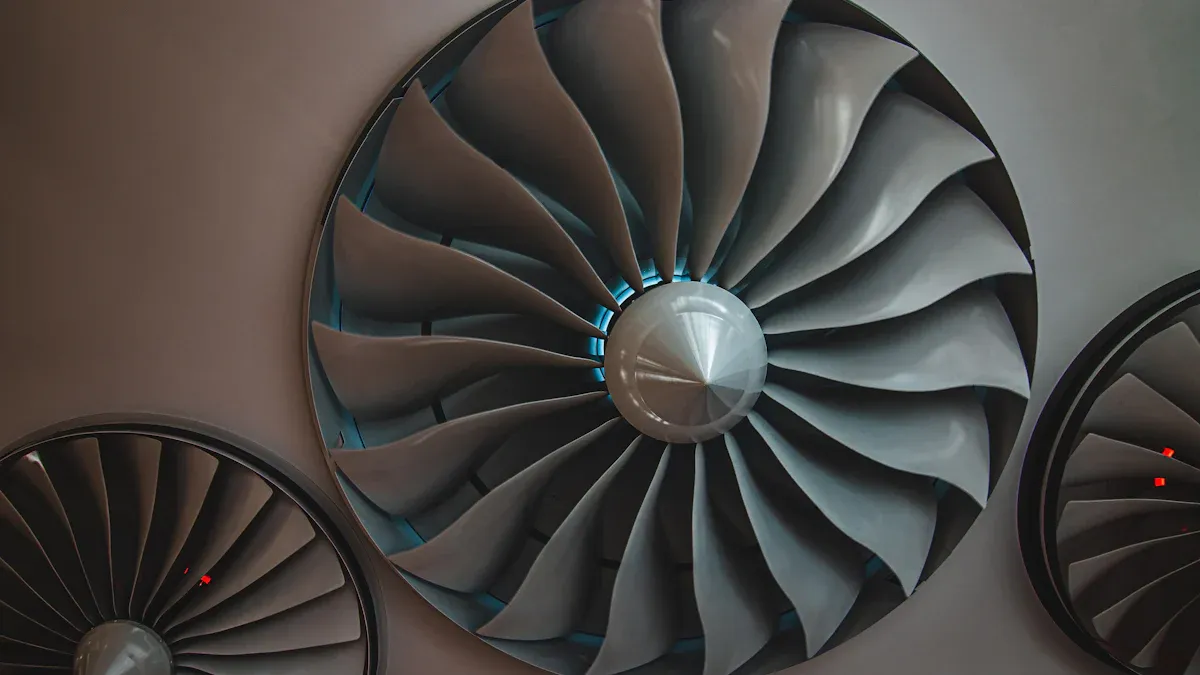
Aerospace turbines operate in extreme heat, often exceeding 1,000°C (1,832°F). Without proper protection, these conditions can weaken materials and reduce performance. TaC Coating provides a solution by offering exceptional heat resistance. Its melting point, which exceeds 3,800°C (6,872°F), ensures that turbines remain stable even in the most demanding environments.
You can rely on this coating to shield turbine components from thermal damage. By maintaining their structural integrity, the turbines can perform efficiently during prolonged high-temperature operations. This heat resistance also reduces the risk of sudden failures, which enhances the reliability of aerospace systems.
Tip: Using TaC Coating on turbine blades can significantly extend their operational lifespan, saving costs on replacements.
Enhanced Durability and Wear Resistance
Turbines face constant wear due to high-speed rotations and exposure to abrasive particles. Over time, this wear can degrade the components, leading to frequent maintenance. TaC Coating addresses this challenge with its remarkable durability. It forms a hard, protective layer that resists scratches, erosion, and other forms of mechanical damage.
This wear resistance ensures that turbine components maintain their shape and functionality over time. You’ll notice fewer breakdowns and reduced downtime, which translates to better overall performance. Additionally, the coating’s ability to withstand harsh conditions makes it ideal for aerospace applications where reliability is critical.
Improved Operational Efficiency
Efficiency is a top priority in aerospace engineering. Turbines must convert energy with minimal losses to ensure optimal performance. TaC Coating contributes to this goal by reducing friction and thermal stress on turbine components. When parts operate smoothly, energy transfer becomes more efficient, leading to improved fuel economy and reduced emissions.
You’ll also benefit from the coating’s ability to maintain performance over extended periods. By protecting turbines from heat and wear, TaC Coating minimizes the need for frequent repairs or replacements. This reliability ensures that aerospace systems operate at peak efficiency, even under challenging conditions.
Benefits of TaC Coating for Heat Shields
Superior Thermal Protection
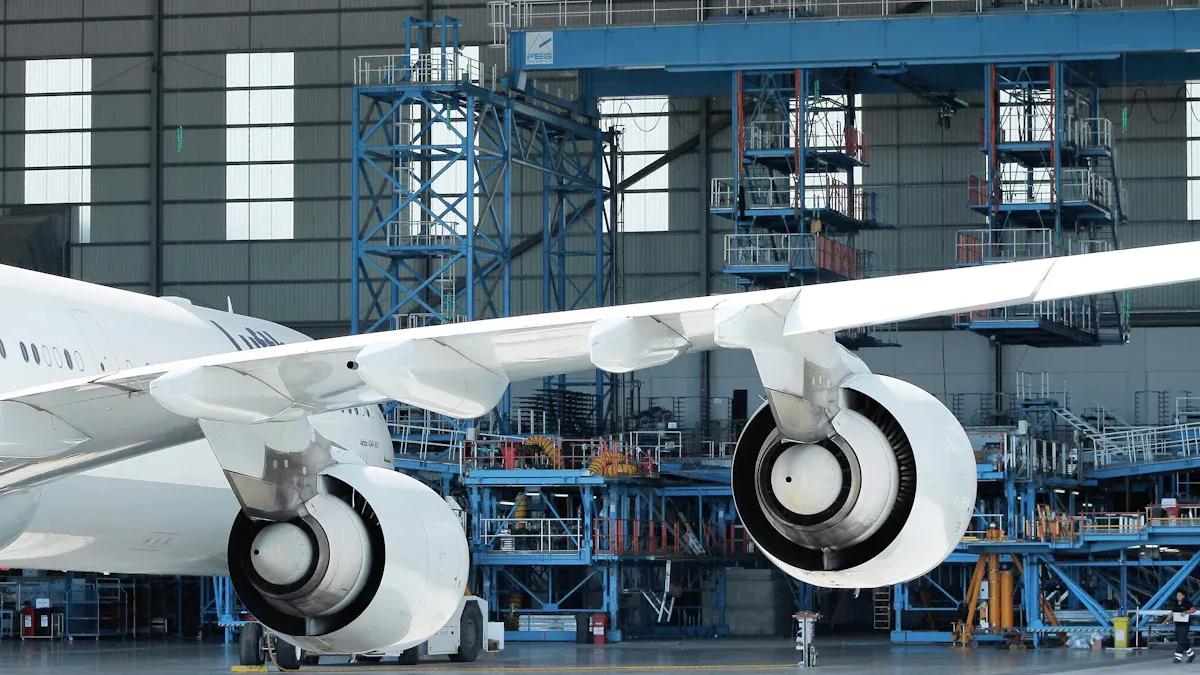
Heat shields in aerospace systems face extreme temperatures during operations, especially during atmospheric re-entry or high-speed flight. You need a material that can handle these conditions without compromising performance. TaC Coating provides superior thermal protection by withstanding temperatures that exceed 3,800°C (6,872°F). This remarkable heat resistance ensures that heat shields remain intact and functional even in the most demanding environments.
The coating acts as a barrier, preventing excessive heat from penetrating the underlying structure. This protection reduces the risk of thermal damage, which could otherwise weaken the component. By using TaC Coating, you ensure that heat shields perform reliably, safeguarding critical systems from failure.
Did you know? TaC Coating’s ability to endure extreme heat makes it one of the most effective solutions for protecting aerospace components during high-temperature operations.
Prolonged Component Lifespan
Heat shields often experience wear and tear due to constant exposure to high temperatures and harsh conditions. Over time, this can lead to material degradation and reduced effectiveness. TaC Coating addresses this issue by enhancing the durability of heat shields. Its robust composition resists thermal stress, corrosion, and mechanical damage, ensuring that the component lasts longer.
When you apply TaC Coating to heat shields, you minimize the need for frequent replacements. This not only saves costs but also reduces downtime for maintenance. The extended lifespan of the coated components contributes to the overall efficiency and reliability of aerospace systems.
Contribution to Aerospace Safety
Safety is a top priority in aerospace engineering. Heat shields play a critical role in protecting spacecraft and other systems from extreme heat and potential damage. By using TaC Coating, you enhance the safety of these components. The coating’s exceptional heat resistance and durability ensure that heat shields perform as intended, even under the most challenging conditions.
Reliable heat shields reduce the risk of catastrophic failures during operations like re-entry or high-speed flight. This added layer of protection gives you confidence in the safety of your aerospace systems. TaC Coating not only improves performance but also contributes to the overall mission success by safeguarding essential components.
Real-World Applications of TaC Coating
Use in Turbine Blades and Components
You’ll find TaC Coating widely used in turbine blades and other critical components. These parts endure extreme heat and stress during operation. The coating protects them by providing a heat-resistant barrier, ensuring they maintain their structural integrity. This is especially important in jet engines, where turbines spin at high speeds and face intense temperatures. By applying this coating, you reduce wear and extend the lifespan of these components. This means fewer replacements and lower maintenance costs, which improves overall efficiency.
Application in Spacecraft Heat Shields
Spacecraft heat shields face some of the harshest conditions imaginable. During re-entry into Earth’s atmosphere, temperatures can soar to thousands of degrees. TaC Coating plays a vital role in protecting these shields. Its ability to withstand extreme heat ensures that spacecraft remain safe and functional. You can rely on it to prevent thermal damage, which could compromise the mission. This makes it an essential material for space exploration and satellite technology.
Industry Success Stories
Many aerospace companies have already embraced TaC Coating for its unmatched benefits. For example, leading jet engine manufacturers use it to enhance turbine performance. Space agencies also rely on it to protect spacecraft during re-entry. These real-world applications demonstrate its effectiveness in improving safety, durability, and efficiency. By adopting this technology, the aerospace industry continues to push the boundaries of innovation.
Future Potential of TaC Coating
Advancements in Coating Technology
You can expect significant advancements in the technology behind TaC Coating. Researchers are exploring new methods to improve its application process, such as refining chemical vapor deposition (CVD) techniques. These improvements aim to create even thinner and more uniform coatings, which enhance performance without adding unnecessary weight.
Another exciting development involves combining TaC Coating with other materials. For example, integrating it with silicon carbide (SiC) could further boost its heat resistance and durability. These innovations will make the coating more versatile and effective for a wider range of aerospace components.
Note: As technology evolves, you’ll see TaC Coating becoming more efficient and cost-effective, making it accessible for broader use.
Broader Aerospace Applications
The future of TaC Coating extends beyond turbines and heat shields. You’ll likely see it applied to other critical aerospace components, such as engine nozzles and combustion chambers. These parts also face extreme heat and stress, making them ideal candidates for this advanced coating.
In addition, TaC Coating could play a role in hypersonic vehicles. These aircraft operate at speeds exceeding Mach 5, where temperatures soar to extreme levels. By protecting key components, the coating ensures these vehicles perform reliably during high-speed operations.
Role in Next-Generation Innovations
TaC Coating will be a cornerstone in next-generation aerospace innovations. As the industry moves toward reusable spacecraft, you’ll see this coating used to protect components that endure multiple launches and re-entries. Its durability and heat resistance make it perfect for these demanding applications.
Moreover, TaC Coating could support the development of advanced propulsion systems, such as ion thrusters. These systems require materials that can withstand intense conditions over long periods. By incorporating this coating, engineers can push the boundaries of what’s possible in aerospace technology.
TaC Coating offers unmatched heat resistance, durability, and efficiency, making it essential for aerospace turbines and heat shields. You can rely on it to enhance safety and performance in extreme conditions. Its future potential promises broader applications and innovations, ensuring aerospace technology continues to evolve and meet the demands of next-generation systems.
FAQ
What makes TaC Coating different from other aerospace coatings?
TaC Coating offers unmatched heat resistance, durability, and wear protection. Its ability to withstand temperatures over 3,800°C makes it superior for extreme aerospace environments. 🚀
Can TaC Coating reduce maintenance costs?
Yes! Its durability minimizes wear and tear, reducing the need for frequent repairs or replacements. You save time and resources while improving overall system efficiency. 💡
Is TaC Coating suitable for reusable spacecraft?
Absolutely! Its exceptional heat resistance and durability make it ideal for components enduring multiple launches and re-entries, ensuring reliable performance in demanding conditions. 🌌