
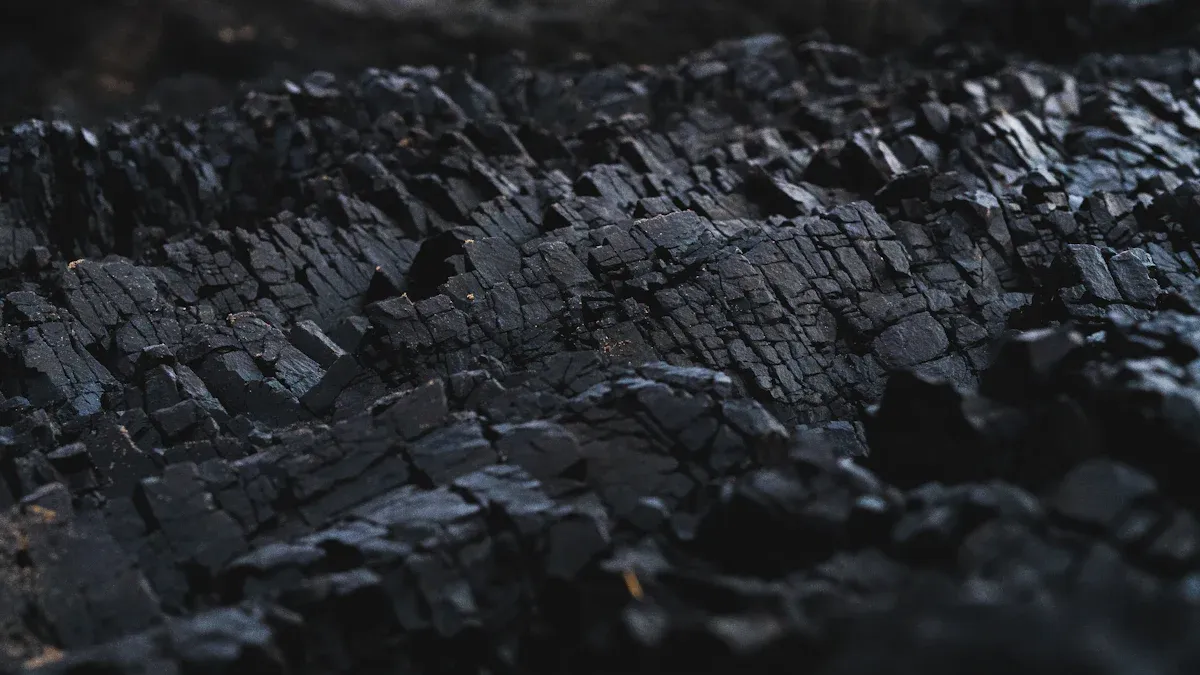
High-Purity Graphite Components, with carbon content above 99.99%, show remarkable strength and stability. These materials perform well in high temperatures and resist corrosion. Many industries, including metallurgy, electronics, energy, aerospace, and chemical processing, depend on high-purity graphite components for critical operations.
Key Takeaways
- High-purity graphite components offer exceptional strength, heat resistance, and chemical stability, making them reliable in extreme industrial environments.
- These components conduct electricity well and resist damage, which benefits industries like electronics, energy, aerospace, and metallurgy.
- Advanced purification and careful manufacturing ensure high quality, leading to longer-lasting parts that improve safety and efficiency across many applications.
Unique Properties and Production of High-Purity Graphite Components

Exceptional Thermal and Chemical Stability
High-Purity Graphite Components show outstanding resistance to heat and chemicals. These materials can withstand temperatures above 3000°C in inert atmospheres. They do not melt or deform easily. Many industries use them in environments where other materials would fail. For example, steel plants use these components in furnaces because they do not react with molten metals. Chemical plants rely on them because acids and bases do not corrode the graphite.
Note: The stability of high-purity graphite comes from its strong carbon bonds. These bonds hold the structure together even under extreme conditions.
Electrical Conductivity and Mechanical Strength
High-Purity Graphite Components conduct electricity very well. This property makes them valuable in electronics and energy storage. Engineers use them in batteries, fuel cells, and electrical contacts. The graphite structure allows electrons to move freely, which improves performance in these applications.
Mechanical strength is another key feature. These components resist cracking and breaking under pressure. They maintain their shape even after repeated use. The combination of strength and conductivity sets them apart from other materials.
| Property | Benefit in Industry |
|---|---|
| High electrical conductivity | Efficient energy transfer |
| Strong mechanical strength | Long-lasting, reliable components |
| Thermal stability | Safe operation at high temperatures |
Purification and Manufacturing Techniques
Manufacturers use advanced methods to produce High-Purity Graphite Components. The process starts with selecting high-quality raw materials. They remove impurities through chemical treatments and high-temperature purification. This step ensures the final product has a carbon content above 99.99%.
The manufacturing process includes:
- Mixing and shaping the purified graphite powder.
- Compressing the material into the desired form.
- Baking the shaped graphite at high temperatures.
- Further purification to remove any remaining impurities.
Each step requires careful control. Even small amounts of contamination can affect performance. Companies invest in modern equipment and strict quality checks to meet industry standards.
Tip: Consistent quality in production leads to better performance and longer service life for high-purity graphite components.
Main Industrial Applications of High-Purity Graphite Components
Metallurgy and High-Temperature Furnaces
Metallurgical industries rely on high-purity graphite components for their ability to withstand extreme heat. Steelmakers use these components in crucibles, molds, and furnace linings. The material does not react with molten metals, which helps maintain product quality. Workers can handle repeated heating and cooling cycles without worrying about cracks or deformation. This reliability reduces downtime and increases productivity.
Note: High-purity graphite components help manufacturers produce metals with fewer impurities. This leads to stronger and more consistent metal products.
Electronics and Semiconductor Manufacturing
Electronics companies use high-purity graphite components in the production of semiconductors and microchips. The material’s electrical conductivity ensures efficient current flow during manufacturing. Graphite boats and trays hold delicate wafers as they move through high-temperature processes. The purity of the graphite prevents contamination, which is critical for producing reliable electronic devices.
A simple table shows some common uses:
| Application | Role of Graphite Component |
|---|---|
| Wafer processing | Supports and protects wafers |
| Crystal growth | Provides stable environment |
| Sintering | Maintains uniform temperature |
Energy Sector and Clean Energy Technologies
The energy sector benefits from high-purity graphite components in several ways. Battery manufacturers use graphite as an electrode material. Fuel cell producers rely on its conductivity and stability. These components also appear in solar panel production. Their ability to handle high temperatures and resist corrosion makes them ideal for clean energy technologies.
- Batteries: Graphite electrodes store and release energy efficiently.
- Fuel cells: Graphite plates conduct electricity and withstand harsh conditions.
- Solar panels: Graphite parts help create pure silicon for solar cells.
Aerospace and Advanced Engineering
Aerospace engineers choose high-purity graphite components for their strength and low weight. Rocket nozzles, heat shields, and structural supports often use this material. The components perform well in the vacuum and extreme temperatures of space. Their stability ensures safety and reliability during missions.
Tip: Using high-purity graphite components in aerospace applications can reduce overall vehicle weight. This leads to lower fuel costs and improved performance.
Chemical Processing and Catalyst Substrates
Chemical plants use high-purity graphite components in reactors, pumps, and piping systems. The material resists attack from acids, bases, and other harsh chemicals. This durability extends the life of equipment and reduces maintenance costs. In addition, graphite serves as a substrate for catalysts, helping speed up chemical reactions without contaminating the final product.
Engineers value the purity and stability of these components. They help maintain safe and efficient operations in demanding chemical environments.
High-Purity Graphite Components support many industries with their strength and stability. They help companies improve safety and efficiency. Many engineers choose these materials for critical tasks. Their unique properties drive new solutions. As technology grows, more sectors will depend on these advanced components.
FAQ
What makes high-purity graphite different from regular graphite?
High-purity graphite contains over 99.99% carbon. This purity gives it better strength, stability, and resistance to heat and chemicals compared to regular graphite.
Can high-purity graphite components be recycled?
Yes, many industries recycle high-purity graphite components. Recycling helps reduce waste and lowers production costs. Proper cleaning and processing restore their performance.
How do engineers test the purity of graphite components?
Engineers use advanced tools like spectroscopy and chemical analysis. These tests check for impurities and confirm the carbon content meets strict industry standards.