

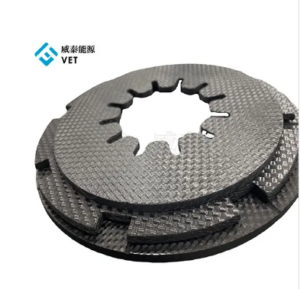
A CVD TAC coating ring is a graphite-based component coated with tantalum carbide through the Chemical Vapor Deposition process. You can rely on it for exceptional durability, thermal stability, and chemical resistance. This makes it ideal for high-performance environments where materials face extreme heat, wear, or corrosive conditions.
Takeaway chiave
- CVD TAC coating rings are strong and handle heat well. They work great in tough environments.
- These coatings stop chemicals from causing damage. This helps graphite parts last longer in industries like making semiconductors.
- CVD TAC coatings mean fewer replacements are needed. This saves money, time, and keeps things working well.
Key Properties of CVD TAC Coating
Thermal stability and high-temperature performance
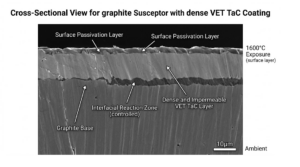
CVD TAC coating excels in environments with extreme heat. It maintains its structural integrity even at temperatures exceeding 4000°F (2200°C). This makes it an excellent choice for applications requiring consistent performance under thermal stress. You can rely on it to prevent material deformation or failure in high-temperature settings. Its ability to withstand rapid temperature changes also reduces the risk of thermal shock. This property ensures long-term reliability in demanding industrial processes.
Chemical resistance and corrosion protection
CVD TAC coating offers exceptional resistance to chemical attacks. It acts as a protective barrier against corrosive substances like acids, alkalis, and reactive gases. This feature makes it ideal for industries such as semiconductor manufacturing, where exposure to harsh chemicals is common. You can trust it to protect graphite components from degradation, extending their lifespan. Its inert nature ensures compatibility with a wide range of chemical environments, enhancing operational efficiency.
Durability and wear resistance
Durability is another standout feature of CVD TAC coating. Its hard surface resists wear and abrasion, even in applications involving constant friction or mechanical stress. This durability reduces the need for frequent replacements, saving you time and costs. The coating also minimizes surface damage, maintaining the precision and functionality of components. Whether in high-performance machinery or protective layers, it ensures reliable performance over extended periods.
Applications of CVD TAC Coating

Use in semiconductor manufacturing
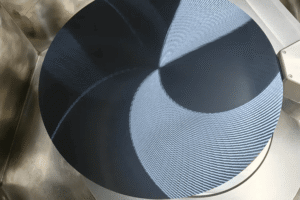
You’ll find CVD TAC coating indispensable in semiconductor manufacturing. It protects graphite components used in wafer processing equipment. These components often face exposure to reactive gases and extreme temperatures. The coating prevents chemical reactions that could compromise the purity of the semiconductor wafers. Its durability ensures consistent performance, even in high-stress environments. By using this coating, you can enhance the efficiency and reliability of your manufacturing processes.
Role in thermal barrier coatings
CVD TAC coating serves as an effective thermal barrier in high-temperature applications. It minimizes heat transfer, protecting underlying materials from thermal damage. This makes it ideal for industries like aerospace and energy production. For example, you can use it in turbine blades or heat exchangers to improve their lifespan. Its ability to withstand rapid temperature changes also reduces the risk of thermal fatigue. This ensures that your equipment operates safely and efficiently under extreme conditions.
Protective layers for graphite components
Graphite components benefit greatly from the protective properties of CVD TAC coating. The coating shields them from wear, corrosion, and chemical attacks. This is especially useful in industries where graphite is exposed to harsh environments, such as chemical processing or metallurgy. You can rely on this coating to extend the life of your graphite parts. It also helps maintain their structural integrity, reducing the need for frequent replacements.
Mancia: If you work in industries with demanding conditions, consider using CVD TAC coating to protect your equipment and improve its performance.
Comparison with Other Coatings
Differences between TAC coatings and silicon carbide coatings
When comparing tantalum carbide (TAC) coatings to silicon carbide (SiC) coatings, you’ll notice distinct differences in their properties and applications. TAC coatings excel in environments requiring extreme thermal stability. They can withstand temperatures exceeding 4000°F (2200°C), while silicon carbide coatings typically perform well up to 3000°F (1650°C). This makes TAC coatings a better choice for applications involving ultra-high temperatures.
In terms of chemical resistance, TAC coatings provide superior protection against highly corrosive substances, including strong acids and reactive gases. Silicon carbide coatings, while resistant to many chemicals, may not perform as effectively in environments with aggressive chemical exposure. Additionally, TAC coatings offer a harder surface, enhancing wear resistance and durability. If you need a coating for applications involving constant friction or mechanical stress, TAC coatings are often the more reliable option.
Unique advantages of TAC coatings in specific environments
CVD TAC coating stands out in environments where extreme conditions challenge material performance. Its ability to resist thermal shock makes it ideal for industries like aerospace and energy production. For example, you can use it in turbine blades or heat exchangers to ensure long-term reliability.
In semiconductor manufacturing, TAC coatings protect graphite components from chemical degradation and maintain wafer purity. Their inert nature ensures compatibility with reactive gases, enhancing operational efficiency. You’ll also find TAC coatings valuable in metallurgy and chemical processing, where they shield graphite parts from wear and corrosion. These unique advantages make TAC coatings indispensable in high-performance industries.
CVD TAC coating rings offer unmatched durability, thermal stability, and chemical resistance. You can rely on them to enhance performance in semiconductor manufacturing and high-temperature applications. Their advanced properties protect equipment and improve efficiency. By using these coatings, you contribute to innovation and reliability in modern industrial processes.

 Italian
  English
  Japanese
  German
  French
  Korean
  Arabic
  Portuguese
  Danish
  Spanish
  Finnish
  Indonesian
  Russian
  Persian