
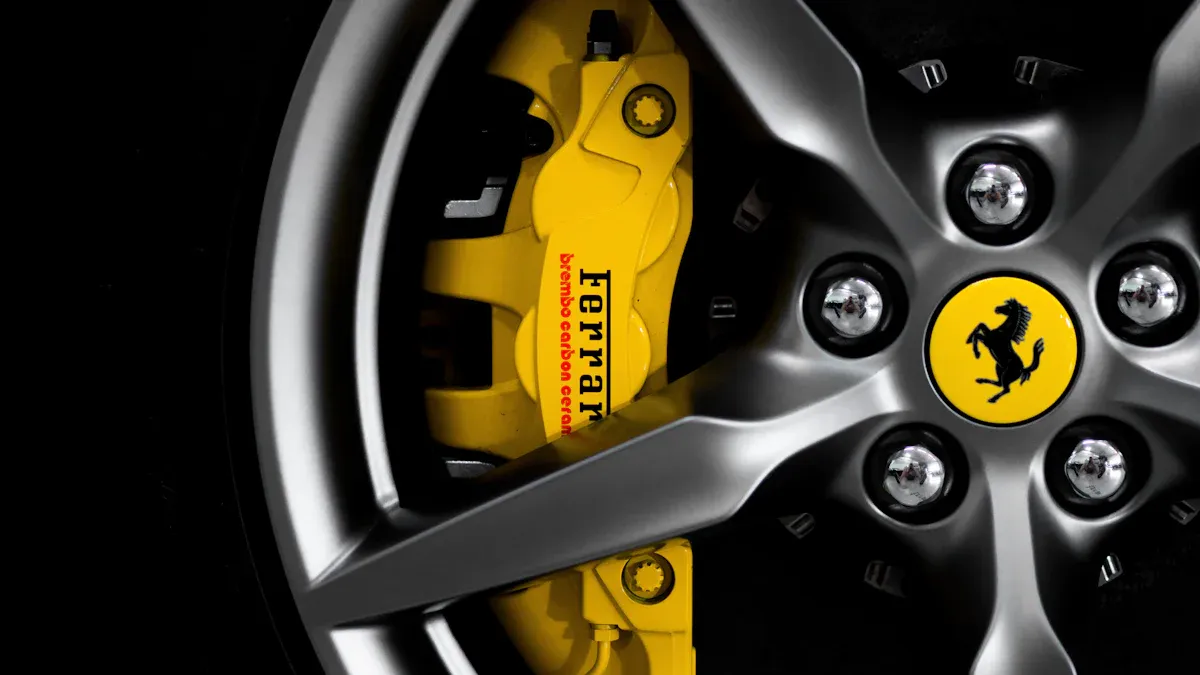
SiC coating offers unparalleled advantages for automotive brake systems, particularly in the sic coating car sector. Its exceptional heat resistance ensures stability even under extreme conditions. In an impact test at 573 K, the coating exhibited no delamination, proving its reliability at elevated temperatures. Furthermore, its microhardness reaches 990.4 HV, enhancing durability and wear resistance by over 75% during high-performance applications. These qualities make the SiC coating process a cornerstone in the sic coating auto industry, revolutionizing modern braking systems and contributing significantly to the sic coating market.
Key Takeaways
- SiC coating helps brakes handle heat better, stopping overheating.
- It makes brakes last longer by reducing wear and damage.
- SiC coating stops rust and keeps brakes working in tough weather.
What is SiC Coating?
Definition and Key Properties
SiC Coating, or silicon carbide coating, is a high-performance material applied to surfaces to enhance their thermal and mechanical properties. Known for its exceptional hardness and durability, this coating exhibits a microhardness value that surpasses many traditional materials. It also boasts high thermal conductivity, enabling efficient heat dissipation during operation. Additionally, SiC Coating demonstrates remarkable resistance to wear, corrosion, and oxidation, making it suitable for demanding environments.
The coating’s molecular structure contributes to its superior performance. Silicon carbide forms a strong covalent bond, resulting in a material that can withstand extreme temperatures and mechanical stress. These properties make SiC Coating a preferred choice in industries requiring robust and reliable solutions, particularly in automotive applications.
Why SiC Coating is Ideal for Automotive Brake Systems
Automotive brake systems operate under intense conditions, including high temperatures and friction. SiC Coating addresses these challenges by providing a protective layer that enhances the system’s performance and longevity. Its high thermal conductivity ensures rapid heat dissipation, preventing overheating during prolonged use. Furthermore, the coating’s wear resistance reduces material degradation, extending the lifespan of brake components.
SiC Coating also minimizes friction between moving parts, leading to smoother operation and reduced energy loss. Its resistance to corrosion and oxidation ensures consistent performance, even in harsh environments. These attributes make SiC Coating an indispensable solution for modern automotive brake systems, where reliability and efficiency are paramount.
How SiC Coating Enhances Thermal Stability
High Thermal Conductivity
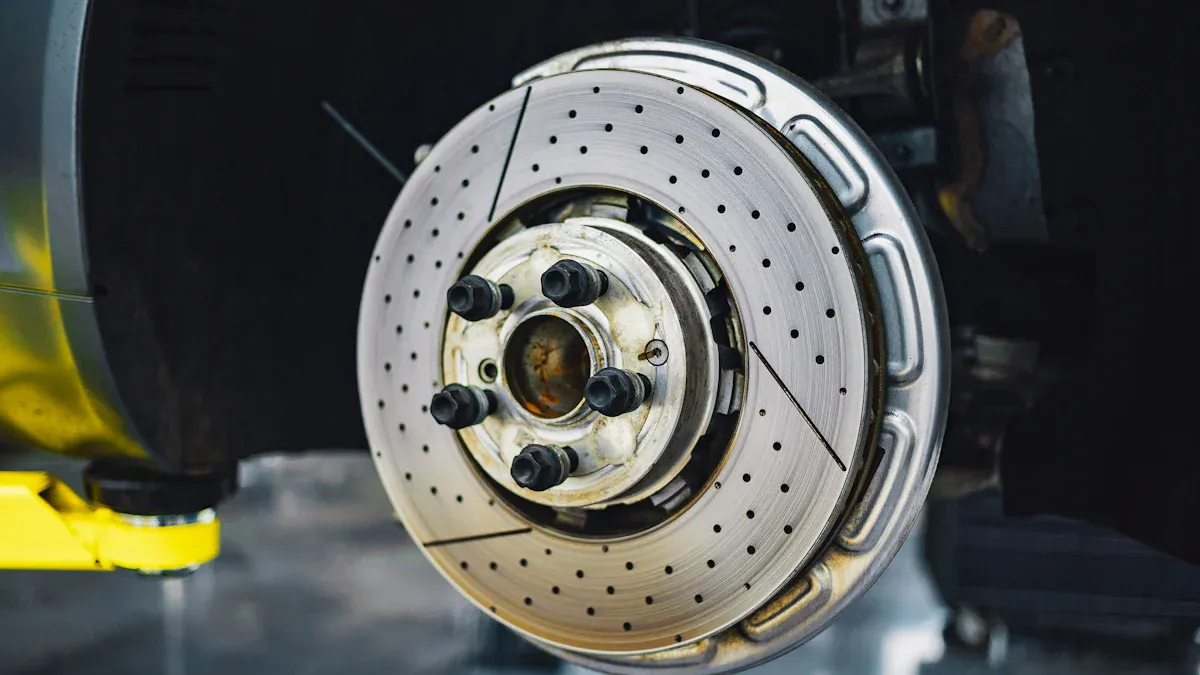
SiC Coating exhibits exceptional thermal conductivity, which plays a critical role in maintaining the stability of automotive brake systems. This property allows heat generated during braking to dissipate rapidly, preventing localized overheating. Efficient heat transfer ensures that brake components remain within safe operating temperatures, even during prolonged or high-intensity use. By minimizing thermal accumulation, SiC Coating reduces the risk of performance degradation, ensuring consistent braking efficiency.
Resistance to Thermal Shock
Thermal shock resistance is another key advantage of SiC Coating. Automotive brake systems often experience rapid temperature fluctuations, especially during sudden braking or exposure to varying environmental conditions. SiC Coating withstands these changes without delaminating or cracking.
- Thermal shock tests revealed no delamination up to the 12th cycle.
- Adhesive failure began at the 16th cycle, primarily at the corners.
- Significant coating failure occurred during water quenching at room temperature after the 20th cycle, attributed to differences in thermal expansion rates between the substrate and coating.
This resilience ensures that SiC-coated surfaces maintain their structural integrity under demanding conditions, enhancing the reliability of brake systems.
Performance in Extreme Temperatures
SiC Coating demonstrates superior performance in extreme temperature environments. Its mechanical properties, such as Vickers hardness, remain significantly higher than non-coated materials. For instance, the coating achieves a hardness of 610 HV compared to 115 HV for non-coated aluminum surfaces. Although stiffness decreases with rising temperatures, the coating effectively reduces peak contact force and increases central deflection during impact tests. These attributes make SiC Coating an ideal choice for automotive brake systems operating in harsh conditions.
How SiC Coating Improves Longevity
Wear Resistance and Durability
SiC Coating significantly enhances the wear resistance and durability of automotive brake systems. Its microhardness, measured at 990.4 HV, is approximately 3.21 times higher than the substrate material. This exceptional hardness reduces surface wear, even under high-stress conditions. Graded coating samples demonstrated a 78.51% improvement in wear resistance compared to uncoated materials. Furthermore, the wear rate of SiC-coated surfaces was 68.42% lower at a maximum sliding distance of 2000 meters. These results highlight the coating’s ability to withstand prolonged use without compromising performance. By reducing material degradation, SiC Coating extends the lifespan of brake components, ensuring long-term reliability.
Reduced Friction and Heat Generation
The application of SiC Coating minimizes friction between moving parts, which directly impacts heat generation during braking. Studies revealed that graded coatings exhibited a 66.73% lower friction coefficient compared to uncoated samples. This reduction in friction not only enhances the efficiency of the braking system but also prevents excessive heat buildup. Lower heat generation reduces the risk of thermal damage to brake components, maintaining their structural integrity over time. This property ensures smoother operation and consistent performance, even during high-intensity braking scenarios.
Corrosion and Oxidation Protection
SiC Coating provides robust protection against corrosion and oxidation, two factors that often compromise the longevity of brake systems. Its chemical stability prevents reactions with environmental elements such as moisture, road salts, and oxygen. This resistance ensures that the coated surfaces remain unaffected by rust or degradation, even in harsh conditions. By safeguarding the brake components from corrosive damage, SiC Coating preserves their functionality and extends their operational lifespan. This makes it an ideal solution for vehicles exposed to challenging environments.
Comparison with Other Coating Materials
SiC Coating vs. Ceramic Coatings
SiC coating surpasses ceramic coatings in both thermal and mechanical performance. Ceramic coatings, while effective in providing heat resistance, often fail under high-impact conditions or rapid temperature changes. In contrast, SiC coating demonstrates superior impact resistance and stability, even at elevated temperatures. During laboratory tests, ceramic coatings exhibited delamination at room temperature under impact, whereas SiC coating remained intact at 573 K. This resilience highlights its ability to maintain structural integrity under thermal stress, making it a more reliable choice for automotive brake systems.
SiC Coating vs. Metallic Coatings
Metallic coatings, commonly used for their durability and corrosion resistance, fall short when compared to SiC coating in terms of thermal conductivity and wear resistance. Metallic coatings tend to accumulate heat during prolonged use, which can lead to overheating and reduced performance. SiC coating, with its high thermal conductivity, efficiently dissipates heat, ensuring consistent performance. Additionally, its exceptional hardness and wear resistance significantly reduce material degradation, outperforming metallic coatings in longevity and reliability. These advantages make SiC coating a superior option for modern automotive applications.
Long-Term Benefits of SiC Coating
The long-term benefits of SiC coating extend beyond its immediate performance advantages. Its ability to withstand extreme temperatures, resist wear, and prevent corrosion ensures prolonged functionality of brake components. By reducing friction and heat generation, it minimizes maintenance requirements and enhances the overall efficiency of braking systems. These attributes not only improve the safety and reliability of vehicles but also contribute to cost savings over time. SiC coating represents a forward-thinking solution for automotive manufacturers seeking durability and performance in their products.
SiC Coating revolutionizes automotive brake systems by delivering unmatched thermal stability and extended longevity. Its advanced properties, including high thermal conductivity, wear resistance, and corrosion protection, outperform traditional coatings. Ningbo VET Energy Technology Co. offers cutting-edge SiC Coating solutions, ensuring superior performance and durability for modern vehicles. 🚗✨
Tip: Choosing SiC Coating ensures reliable braking performance under extreme conditions, making it a smart investment for automotive manufacturers.
FAQ
What makes SiC coating superior to traditional brake system coatings?
SiC coating offers unmatched thermal conductivity, wear resistance, and corrosion protection. These properties ensure enhanced performance, durability, and reliability compared to traditional ceramic or metallic coatings.
Can SiC coating withstand extreme environmental conditions?
Yes, SiC coating resists thermal shock, oxidation, and corrosion. It performs reliably under rapid temperature changes, high-impact scenarios, and exposure to harsh environmental elements.
How does SiC coating contribute to vehicle safety?
By reducing friction and heat generation, SiC coating ensures consistent braking performance. Its durability minimizes wear, enhancing the reliability and safety of automotive brake systems.
Note: SiC coating represents a cutting-edge solution for automotive manufacturers seeking long-term performance and safety enhancements.