
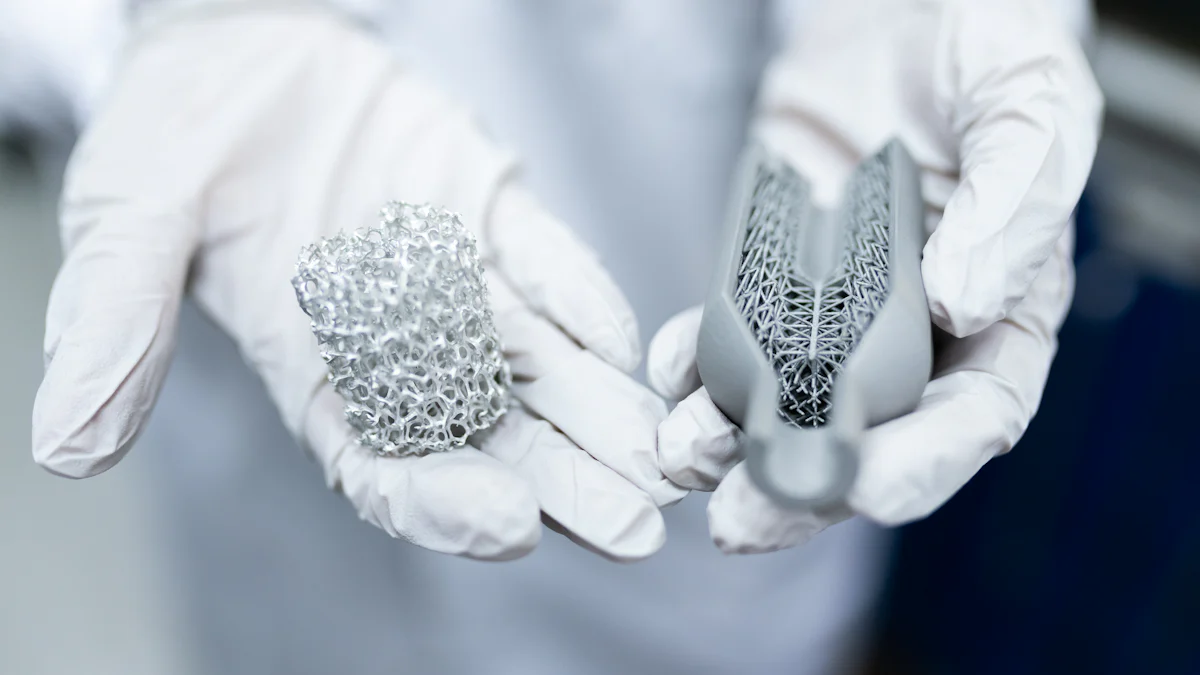
You benefit from using SiC coating collector top in batteries. This technology enhances conductivity and thermal stability. CVD SiC coating offers superior corrosion resistance, ensuring durability. As the SiC coating market grows, you gain access to advanced solutions that extend battery life and efficiency.
Key Takeaways
- SiC coatings make batteries work better by boosting conductivity.
- This helps energy move easily and lowers energy waste.
- SiC coatings stay stable in heat, keeping batteries safe.
- They stop overheating and help batteries last longer.
- These coatings resist rust and damage, staying strong over time.
- They make batteries reliable even in tough conditions.
Enhanced Performance with SiC Coatings
Improved Conductivity for Optimal Energy Flow
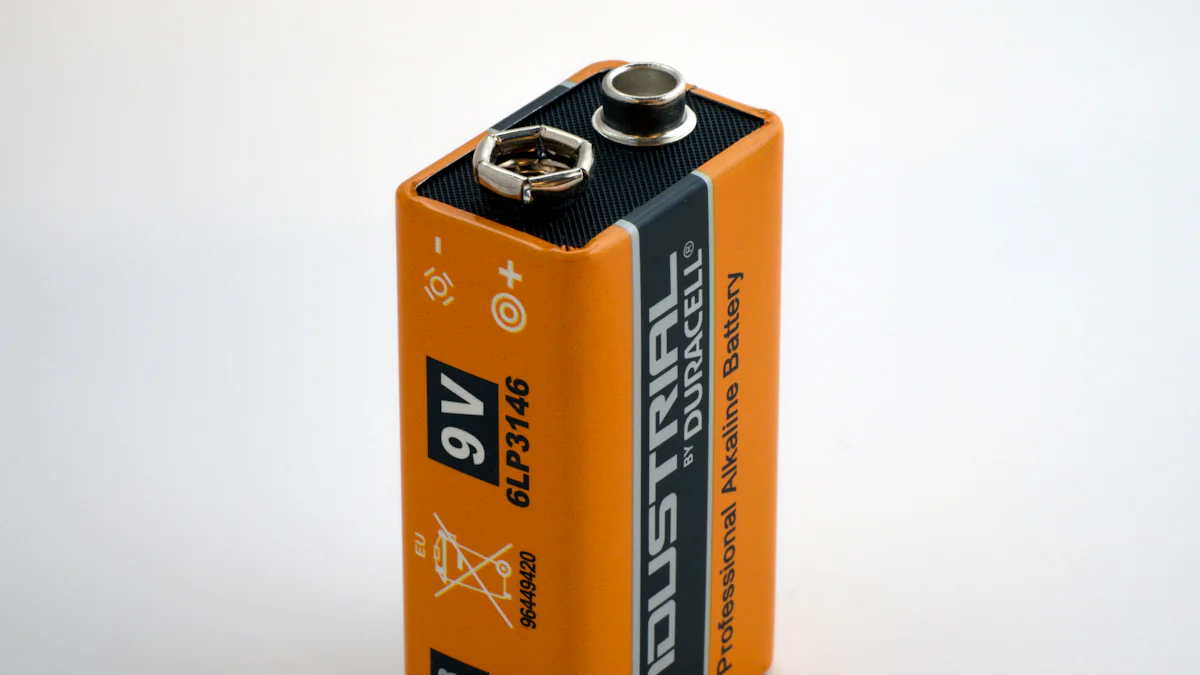
You rely on batteries to deliver consistent energy, and conductivity plays a key role in this process. SiC coating collector top solutions enhance conductivity by reducing electrical resistance. This ensures that energy flows smoothly between the battery’s components. With better conductivity, your battery can operate at peak efficiency, providing reliable power for longer periods.
Tip: Improved conductivity means less energy loss during operation, which translates to better performance for your devices.
SiC coatings also help maintain stable conductivity over time. Unlike traditional materials, they resist degradation caused by repeated charging and discharging cycles. This stability ensures that your battery performs consistently, even after extended use. Whether you’re powering a smartphone or an electric vehicle, the enhanced conductivity of SiC coating collector top technology makes a noticeable difference.
Superior Thermal Stability for Safer High-Temperature Operations
Batteries often face high temperatures during operation, especially in demanding applications. SiC coatings excel in thermal stability, allowing your battery to function safely under extreme conditions. They prevent overheating by efficiently dissipating heat, reducing the risk of thermal runaway—a common safety concern in batteries.
Note: Thermal stability not only improves safety but also extends the lifespan of your battery by minimizing heat-related damage.
SiC coating collector top solutions outperform traditional coatings in high-temperature environments. They maintain their structural integrity and performance, ensuring that your battery remains reliable even in challenging situations. This makes them an ideal choice for applications requiring high thermal resilience, such as electric vehicles and industrial equipment.
Increased Durability of Current Collectors
Corrosion Resistance for Longevity in Harsh Conditions
You expect your batteries to perform reliably, even in challenging environments. Corrosion can significantly reduce the lifespan of current collectors, especially when exposed to moisture, chemicals, or extreme temperatures. SiC coating collector top solutions provide exceptional corrosion resistance, protecting the battery’s internal components from degradation. This ensures that your battery remains functional and efficient, even in harsh conditions.
The unique properties of silicon carbide create a robust barrier against corrosive elements. Unlike traditional coatings, SiC coatings do not break down easily over time. This durability helps maintain the structural integrity of the current collector, reducing the risk of performance loss. Whether you’re using batteries in outdoor equipment or industrial machinery, this added protection ensures long-term reliability.
Tip: Batteries with corrosion-resistant coatings require less maintenance, saving you time and money in the long run.
Wear Resistance to Minimize Mechanical Degradation
Mechanical wear is another factor that can compromise the durability of current collectors. Repeated charging and discharging cycles, along with physical stress, can cause traditional coatings to deteriorate. SiC coating collector top technology offers superior wear resistance, minimizing mechanical degradation over time.
This wear resistance ensures that your battery’s current collector maintains its performance, even under heavy use. The hard, durable surface of SiC coatings withstands friction and mechanical stress better than conventional materials. This makes them ideal for applications where batteries face frequent usage, such as electric vehicles or portable electronics.
Note: Enhanced wear resistance not only extends the life of your battery but also improves its overall reliability.
Improved Efficiency and Battery Longevity
Reduced Contact Resistance for Better Charge Transfer
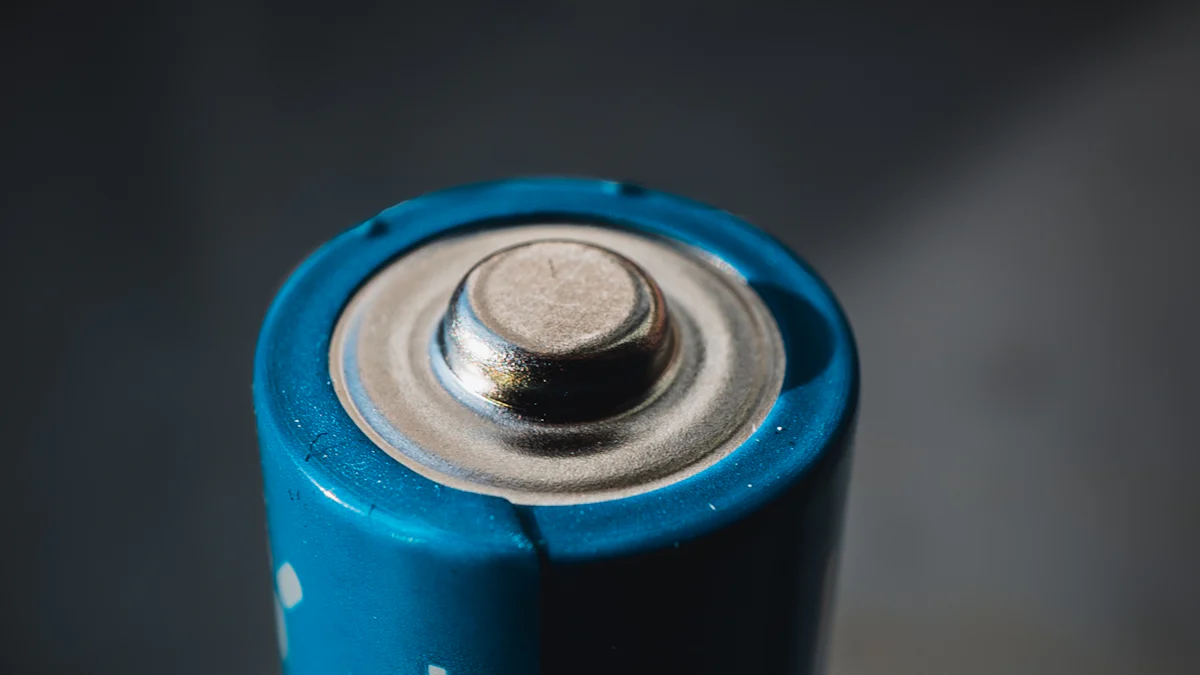
You want your battery to deliver power efficiently, and contact resistance plays a critical role in this process. High contact resistance can slow down charge transfer, reducing the overall performance of your battery. SiC coating collector top technology minimizes contact resistance, ensuring smoother and faster energy transfer between the battery’s components. This improvement allows your devices to charge more quickly and operate more effectively.
By reducing resistance, SiC coatings also help prevent energy loss during operation. This means more of the energy stored in your battery is available for use, improving its overall efficiency. Whether you’re charging a smartphone or powering an electric vehicle, lower contact resistance ensures that your battery performs at its best.
Tip: Batteries with reduced contact resistance often experience less heat buildup, which can further enhance their safety and longevity.
Enhanced Energy Efficiency for Prolonged Battery Life
Energy efficiency directly impacts how long your battery lasts. SiC coatings improve energy efficiency by reducing energy waste during charging and discharging cycles. This means your battery can store and deliver energy more effectively, extending its usable life.
The enhanced efficiency provided by SiC coatings also reduces the strain on your battery’s components. This helps slow down the natural wear and tear that occurs over time. As a result, you can enjoy longer-lasting batteries that maintain their performance even after repeated use.
Note: Improved energy efficiency not only benefits your devices but also contributes to a more sustainable energy solution by reducing the need for frequent battery replacements.
SiC Coating Collector Top Advantages Over Alternatives
Comparison with Traditional Coating Materials
You might wonder how SiC coatings compare to traditional materials like aluminum or copper. Traditional coatings often struggle with issues like corrosion, wear, and thermal instability. Over time, these problems can reduce battery efficiency and lifespan. SiC coating collector top solutions address these challenges with their unique properties.
For example, aluminum coatings are lightweight but prone to corrosion in humid or chemically harsh environments. Copper coatings offer good conductivity but lack the thermal stability needed for high-performance applications. SiC coatings, on the other hand, combine excellent conductivity, corrosion resistance, and thermal stability. This makes them a more reliable option for demanding conditions.
Fact: SiC coatings maintain their performance even after repeated charging cycles, unlike many traditional materials that degrade over time.
When you choose SiC coatings, you get a material that outperforms traditional options in durability and efficiency. This ensures your batteries deliver consistent power, even in challenging environments.
Why SiC Coatings Are the Preferred Choice for Modern Batteries
Modern batteries need to meet higher performance standards. SiC coating collector top technology provides the advanced features required for today’s energy demands. Its ability to reduce contact resistance and improve energy transfer makes it ideal for applications like electric vehicles and renewable energy storage.
You also benefit from the safety advantages of SiC coatings. Their superior thermal stability reduces the risk of overheating, making batteries safer for everyday use. Additionally, their wear resistance ensures long-term reliability, even in high-stress applications.
Tip: Investing in SiC coatings can lower maintenance costs by extending battery life and reducing the need for replacements.
SiC coatings represent the future of battery technology. They offer unmatched performance, durability, and efficiency, making them the preferred choice for industries that rely on cutting-edge energy solutions.
SiC coatings transform battery performance. You gain enhanced conductivity, thermal stability, and corrosion resistance. These features ensure your batteries last longer and operate more efficiently. By investing in SiC coatings, you secure safer, more reliable energy solutions. This advanced technology meets modern energy demands, making it the ideal choice for powering your future. 🚀