
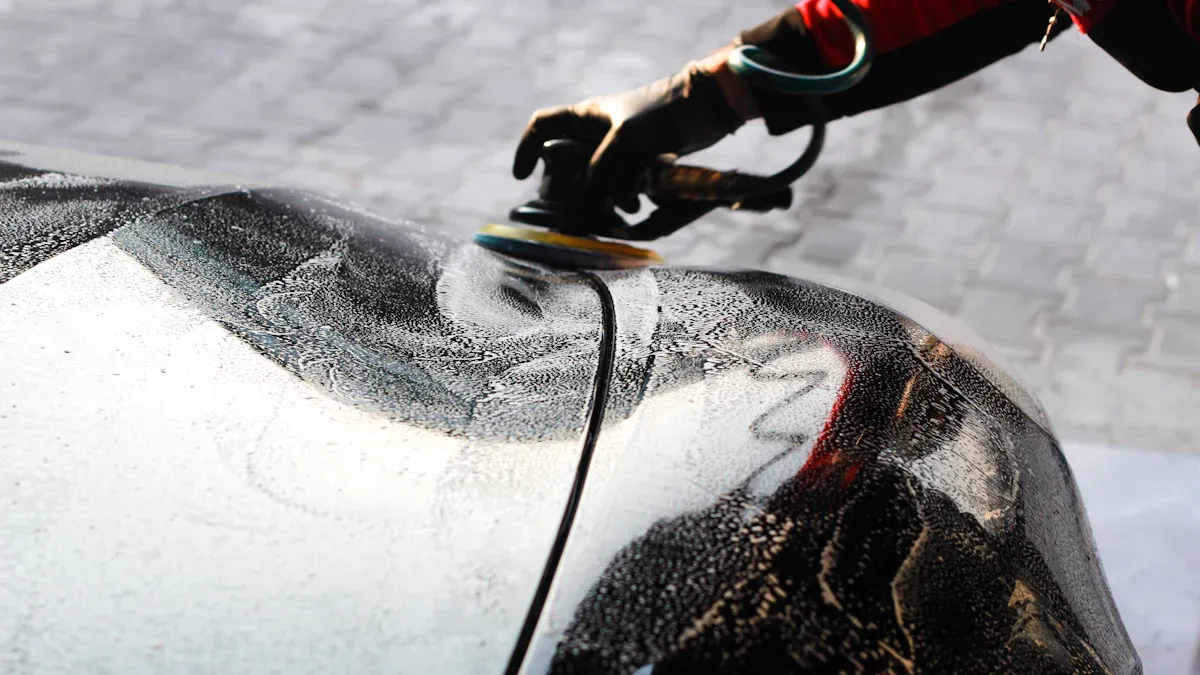
Many users report that Silicon Carbide Coatings deliver reliable durability and strong protection. CVD SiC Layers often resist scratches and chemical damage. Compared to Ceramic Coatings, they last longer. Most reviewers agree these coatings provide excellent value for vehicles and equipment facing harsh conditions.
Key Takeaways
- Silicon carbide coatings offer strong protection against scratches, chemicals, and heat, making surfaces last longer and look better.
- Users report these coatings work well in tough conditions but recommend professional application to ensure proper bonding and durability.
- While the coatings cost more and need careful surface preparation, their long-term benefits often outweigh the initial investment.
Silicon Carbide Coatings: What Users Need to Know
Definition and Key Features
Silicon Carbide Coatings use a compound called silicon carbide, known for its extreme hardness and resistance to heat. Manufacturers apply these coatings as a thin layer on surfaces to improve durability. The coatings often appear in automotive, aerospace, and industrial settings.
Key features include:
- High hardness, which helps resist scratches and abrasions.
- Strong chemical resistance, protecting surfaces from acids and solvents.
- Excellent thermal stability, allowing use in high-temperature environments.
- Smooth finish, which can reduce friction and make cleaning easier.
Note: Many users highlight the importance of professional application. Proper surface preparation ensures the coating bonds well and performs as expected.
Main Benefits for Automotive and Industrial Applications
Silicon Carbide Coatings offer several advantages for vehicles and machinery. In automotive use, they protect paint and metal parts from road debris, salt, and harsh weather. Many car owners report fewer chips and scratches after applying the coating.
In industrial settings, these coatings shield equipment from corrosion and chemical spills. Factories that handle acids or solvents often choose silicon carbide for its strong barrier properties. The coatings also help machines run smoothly by reducing friction between moving parts.
| Benefit | Automotive Use | Industrial Use |
|---|---|---|
| Scratch Resistance | Yes | Yes |
| Chemical Protection | Yes | Yes |
| Heat Tolerance | Yes | Yes |
| Easier Cleaning | Yes | Sometimes |
Silicon Carbide Coatings stand out for their ability to extend the life of valuable assets in tough environments.
Positive User Experiences With Silicon Carbide Coatings
Durability and Longevity in Real-World Use
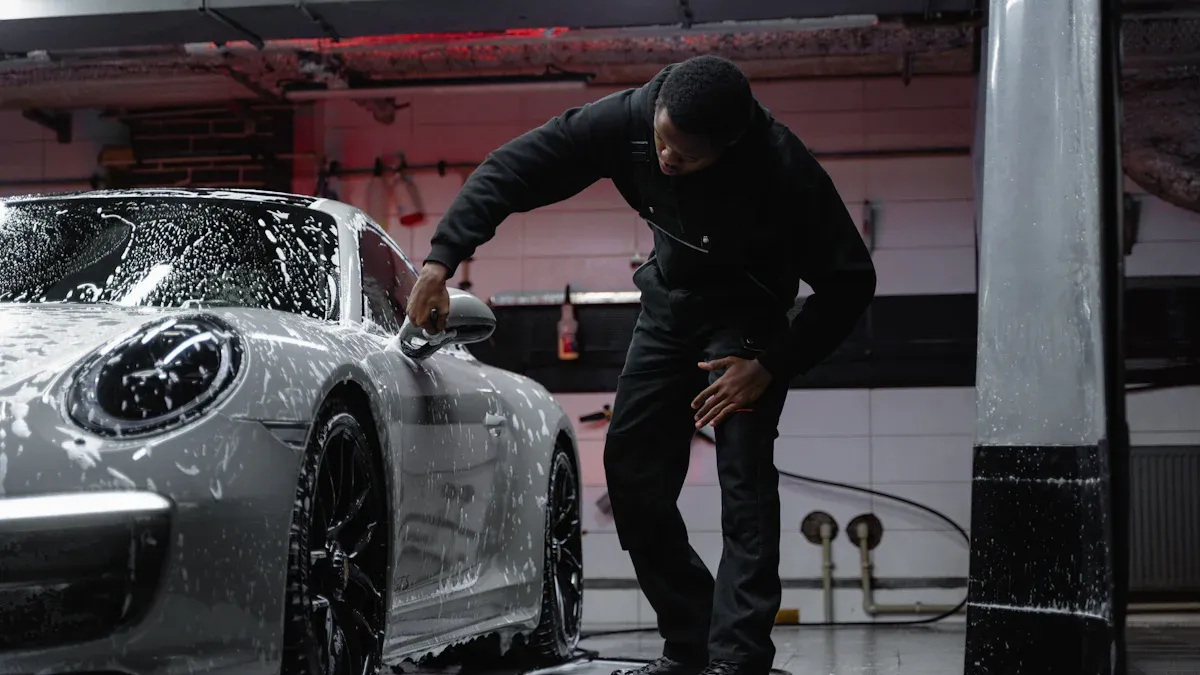
Many users praise the long-lasting nature of these coatings. They report that surfaces treated with Silicon Carbide Coatings stay protected for years. Car owners often mention that their vehicles look new even after several seasons of harsh weather. Industrial workers note that equipment coated with silicon carbide needs fewer repairs.
- Users highlight these points:
- Surfaces resist scratches from daily use.
- The coating does not peel or flake over time.
- Vehicles and machines maintain their shine and finish.
"After two years, my truck still looks like it just left the showroom," one user shared. This kind of feedback appears often in online reviews.
Protection Against Wear, Corrosion, and Chemicals
People who use these coatings see strong protection against damage. Many say that Silicon Carbide Coatings help prevent rust and corrosion. Factory workers report that machines exposed to acids and solvents last longer. Car enthusiasts notice fewer chips and stains from road salt and debris.
A table below shows common types of protection users mention:
| Type of Protection | User Feedback Example |
|---|---|
| Wear Resistance | "No visible scratches after months." |
| Corrosion Block | "No rust even in wet conditions." |
| Chemical Shield | "Acid spills did not harm the surface." |
These results show that the coating works well in both automotive and industrial settings.
Performance Under High Temperatures and Stress
Users often work in environments with high heat or heavy use. They report that the coating does not break down under stress. For example, mechanics say that engine parts coated with silicon carbide stay strong even after long hours of operation. Factory staff note that machines run smoothly, even when exposed to high temperatures.
- Key points from user experiences:
- The coating stays stable in hot weather.
- It does not melt or lose strength under pressure.
- Equipment keeps working without extra maintenance.
Tip: Many users recommend this coating for anyone who needs reliable protection in extreme conditions.
Drawbacks and Complaints About Silicon Carbide Coatings
Cost and Value for Money
Many users mention that the price of Silicon Carbide Coatings can be high. They often compare the cost to other protective coatings and find it more expensive. Some car owners say the initial investment feels steep, especially for those with a tight budget. Industrial buyers also notice the higher price when coating large equipment or multiple surfaces.
A table below shows common user concerns about cost:
| Concern | User Comment Example |
|---|---|
| High Upfront Cost | "The price is much higher than ceramic." |
| Value for Money | "Not sure if the benefits match the price." |
| Budget Limitations | "Too expensive for my small business." |
Note: Some users believe the long-term protection justifies the cost, but others feel unsure about the return on investment.
Application and Surface Preparation Challenges
Applying these coatings requires careful preparation. Many users report that the process takes time and skill. They must clean and prepare the surface before applying the coating. If they skip steps or rush, the coating may not bond well. This can lead to peeling or weak protection.
Common challenges include:
- Surface must be free of dirt, oil, and old coatings.
- Application often needs special tools or professional help.
- Mistakes during preparation can ruin the final result.
Some users share frustration with the complexity. They say, "I tried to do it myself, but the coating did not stick." Others recommend hiring a professional, which adds to the total cost.
Maintenance and Upkeep Concerns
After application, users still need to care for the coated surface. Some expect the coating to be maintenance-free, but that is not always true. They find that regular cleaning helps keep the surface looking good. In some cases, harsh cleaners or rough scrubbing can damage the coating.
Key points from user feedback:
- Gentle cleaning methods work best.
- Avoid using abrasive pads or strong chemicals.
- Some users notice the coating loses shine over time.
Tip: Users suggest following the manufacturer’s care instructions to extend the life of the coating.
Silicon Carbide Coatings Compared to Alternatives
Versus Ceramic Coatings (SiO2)
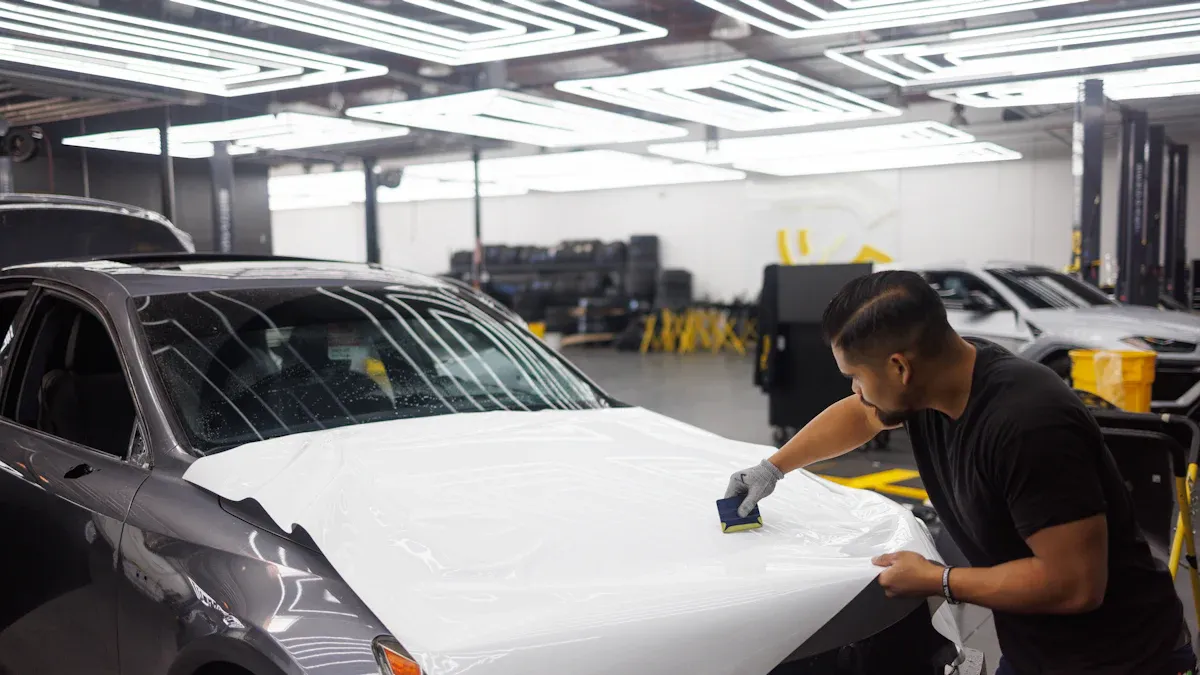
Many users compare Silicon Carbide Coatings to ceramic coatings made from silicon dioxide (SiO2). Both options protect surfaces from scratches and chemicals. However, users report that Silicon Carbide Coatings last longer and resist higher temperatures. Ceramic coatings often cost less and are easier to apply. Some car owners prefer ceramic coatings for daily drivers, while others choose silicon carbide for vehicles exposed to harsh conditions.
| Feature | Silicon Carbide | Ceramic (SiO2) |
|---|---|---|
| Hardness | Higher | High |
| Heat Resistance | Excellent | Good |
| Application Difficulty | Harder | Easier |
| Cost | Higher | Lower |
Versus Traditional Paint Protection Methods
Traditional paint protection includes waxes and sealants. These products offer basic protection but wear off quickly. Users find that wax needs frequent reapplication. Sealants last longer than wax but still do not match the durability of advanced coatings. Silicon Carbide Coatings provide a stronger barrier and require less upkeep.
Note: Many users say that traditional methods work for short-term shine, but advanced coatings give better long-term results.
User Preferences and Situational Choices
User needs often guide the choice of coating. Some prefer easy application and low cost. Others want maximum protection and do not mind higher prices or complex installation. For daily vehicles, ceramic coatings or sealants may be enough. For heavy-duty use or harsh environments, users often select Silicon Carbide Coatings.
- Users who value:
- Quick application → Choose wax or sealant
- Long-term durability → Choose silicon carbide
- Budget-friendly options → Choose ceramic or traditional methods
User reviews show strong satisfaction with durability and protection. Many recommend these coatings for vehicles or equipment in harsh environments. People who need long-term value and high performance benefit most.
Experts suggest choosing this option for maximum protection against wear and chemicals.
FAQ
How long does a silicon carbide coating last?
Most users report that silicon carbide coatings protect surfaces for several years. Longevity depends on use, environment, and proper application.
Can someone apply silicon carbide coatings at home?
Applying silicon carbide coatings at home proves difficult. Most users recommend professional installation for best results and long-lasting protection.
Does silicon carbide coating change the appearance of a surface?
- The coating usually leaves a smooth, glossy finish.
- Most users notice enhanced shine without changing the original color.