
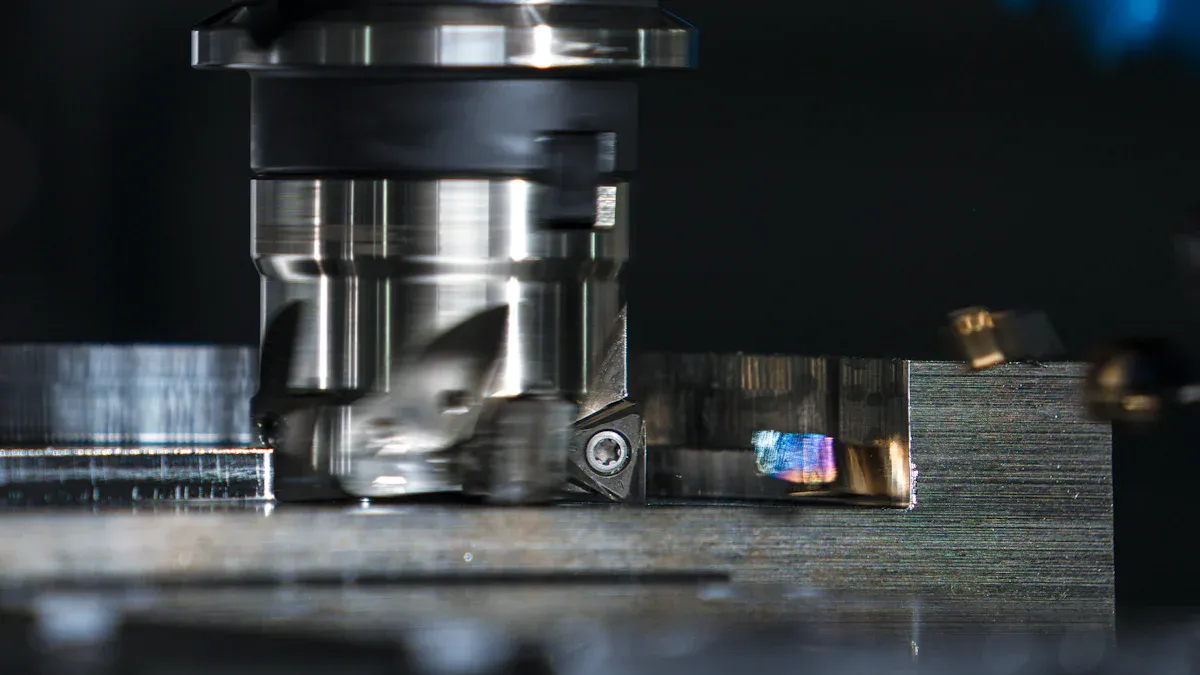
TAC Coating, short for Tantalum Carbide coating, offers exceptional hardness, wear resistance, and thermal stability. This advanced material, often applied using CVD TaC Coating Technology, withstands extreme conditions, making it indispensable in mechanical machining. Its ability to enhance tool performance and durability has positioned it as a key player in the TAC Coatings Market, driving innovation across industries.
Key Takeaways
- TAC Coating makes tools last longer, so they need fewer replacements.
- It lowers friction, giving smoother surfaces and better-quality cuts.
- TAC Coating saves money and time by reducing repairs and delays.
Properties of TAC Coating That Make It Ideal for Machining
Exceptional Hardness and Wear Resistance
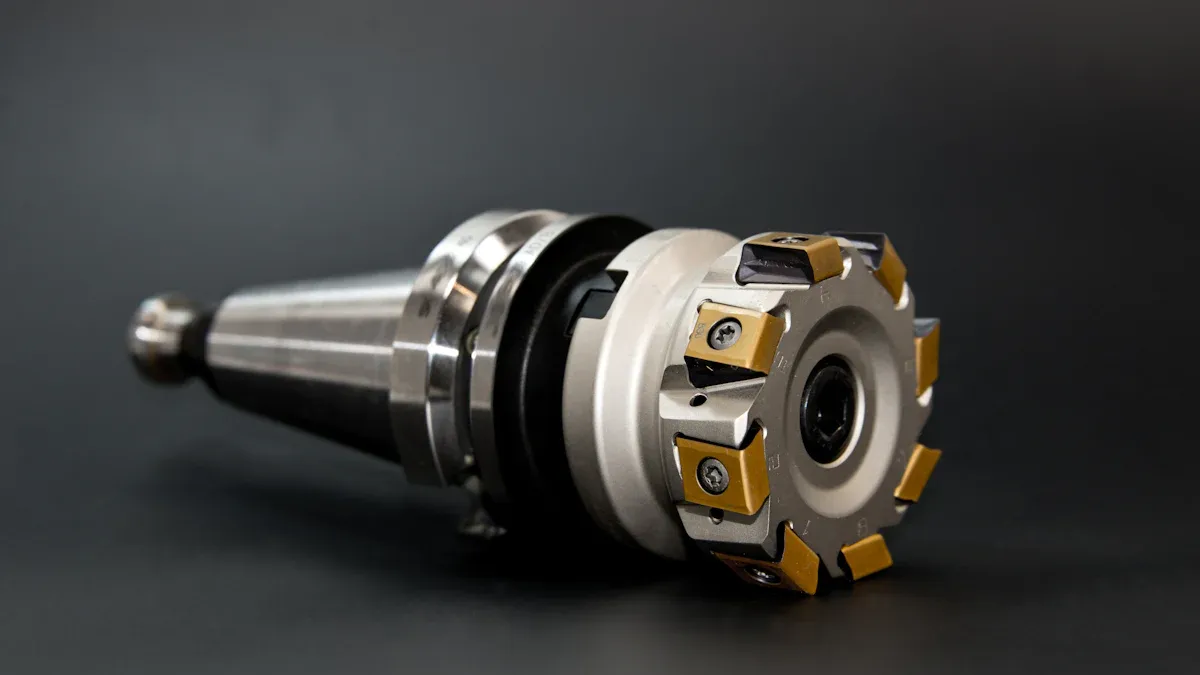
TAC Coating exhibits remarkable hardness, making it one of the most durable materials available for machining applications. Its high wear resistance ensures that tools coated with this material maintain their structural integrity even under intense mechanical stress. This property significantly reduces the frequency of tool replacements, which is critical in industries requiring high precision and reliability. For example, cutting tools coated with TAC Coating can withstand prolonged use without losing their sharpness, ensuring consistent performance over time.
High Thermal Stability for Extreme Conditions
TAC Coating demonstrates exceptional thermal stability, allowing it to perform effectively in high-temperature environments. This property is particularly valuable in machining processes that generate significant heat, such as milling or drilling. The coating prevents thermal deformation of tools, ensuring accuracy and precision during operations. Additionally, its ability to resist thermal degradation extends the lifespan of coated components, making it a preferred choice for demanding industrial applications.
Chemical Inertness and Corrosion Resistance
The chemical inertness of TAC Coating protects tools and components from corrosive substances commonly encountered in machining environments. Its resistance to oxidation and chemical reactions ensures that the coated surfaces remain unaffected by exposure to harsh chemicals or moisture. This property not only enhances the durability of tools but also maintains their performance in challenging conditions. Industries such as aerospace and automotive benefit greatly from this feature, as it ensures reliability and longevity in critical applications.
Key Applications of TAC Coating in Mechanical Machining
Enhancing Tool Durability and Longevity
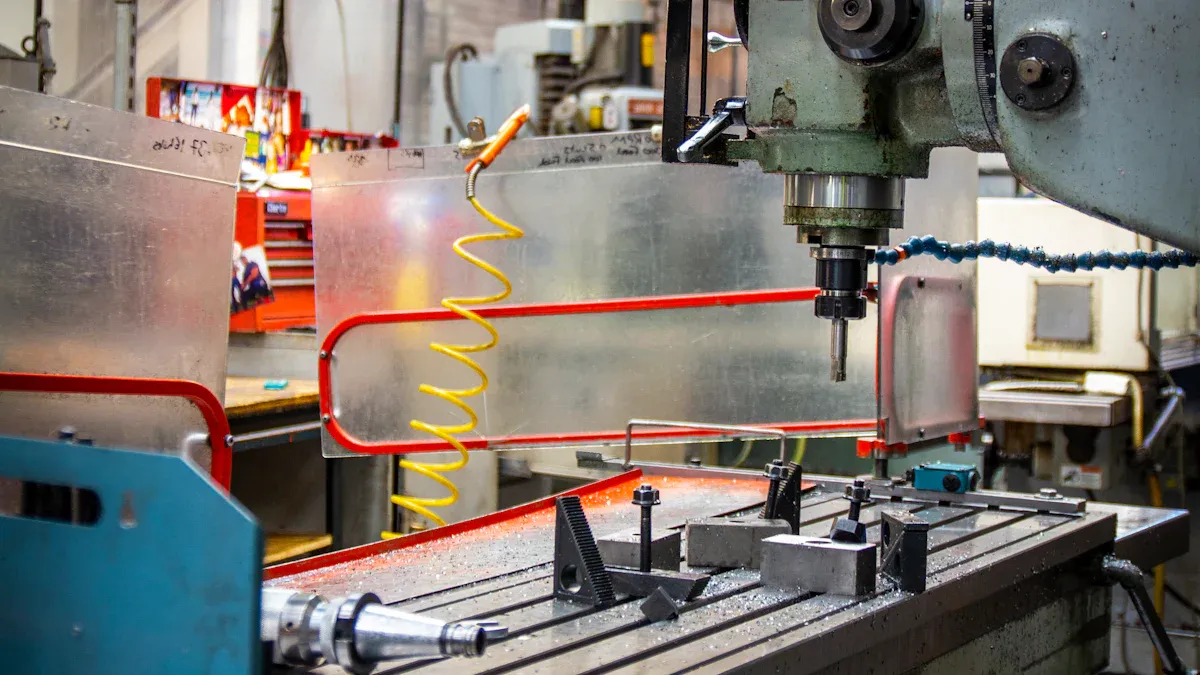
TAC Coating significantly extends the lifespan of machining tools. Its exceptional hardness and wear resistance protect tools from damage caused by prolonged use. Industries that rely on high-performance cutting tools, such as aerospace and automotive, benefit from this durability. Tools coated with TAC Coating maintain their sharpness and structural integrity, even under intense operational stress. This reduces the need for frequent replacements, saving both time and resources.
Improving Surface Finishes for Precision Machining
Precision machining demands smooth and accurate surface finishes. TAC Coating enhances the performance of tools by reducing friction during machining processes. This results in cleaner cuts and finer finishes on workpieces. Manufacturers in electronics and medical device industries rely on this property to achieve the high-quality standards required for their products. The coating also minimizes surface defects, ensuring consistent results across multiple operations.
Reducing Wear and Tear in High-Friction Environments
Machining operations often involve high-friction conditions that can degrade tools quickly. TAC Coating acts as a protective barrier, reducing wear and tear caused by friction. This property is particularly valuable in applications like drilling and milling, where tools encounter constant mechanical stress. By minimizing wear, the coating ensures reliable performance and reduces operational downtime.
Optimizing Performance in High-Temperature Operations
High-temperature environments pose significant challenges for machining tools. TAC Coating’s thermal stability allows tools to perform efficiently under extreme heat. This makes it ideal for applications such as metal cutting and forging, where temperatures can reach critical levels. The coating prevents thermal deformation, ensuring precision and accuracy throughout the machining process. Its ability to withstand heat also contributes to the longevity of coated tools.
Benefits of Using TAC Coating in Machining
Cost Savings Through Extended Tool Life
Machining tools coated with Tantalum Carbide exhibit remarkable durability, reducing the frequency of replacements. This extended lifespan translates into significant cost savings for industries that rely on high-performance tools. For instance, cutting tools in aerospace manufacturing often face intense wear. TAC Coating minimizes this wear, allowing companies to allocate resources more efficiently. By investing in coated tools, businesses can reduce their overall tooling expenses while maintaining operational reliability.
Increased Efficiency and Productivity
Enhanced tool performance directly impacts machining efficiency. Tools with TAC Coating maintain their sharpness and precision over prolonged use, ensuring consistent results. This reliability minimizes interruptions during production, enabling manufacturers to meet tight deadlines. Additionally, the coating’s ability to reduce friction during operations accelerates machining processes. Industries such as automotive and electronics benefit from this increased productivity, as it allows them to scale operations without compromising quality.
Reduced Maintenance and Downtime
Frequent tool maintenance disrupts production schedules and increases operational costs. TAC Coating reduces wear and tear, minimizing the need for regular maintenance. This durability ensures that tools remain operational for extended periods, reducing unplanned downtime. In high-stakes industries like medical device manufacturing, where precision is critical, this reliability is invaluable. By decreasing maintenance requirements, businesses can focus on optimizing their workflows and meeting production targets.
TAC coating has revolutionized machining processes by enhancing tool performance, durability, and efficiency. Its unique properties address critical challenges in high-stress environments, ensuring precision and reliability. As industries evolve, this advanced coating holds immense potential to inspire innovations, paving the way for more sustainable and efficient manufacturing solutions.
FAQ
What industries benefit the most from TAC Coating applications?
Industries such as aerospace, automotive, electronics, and medical manufacturing gain significant advantages. TAC Coating enhances tool durability, precision, and efficiency in these high-performance sectors.
How does TAC Coating improve machining tool performance?
TAC Coating reduces friction, resists wear, and withstands extreme temperatures. These properties ensure tools maintain sharpness, structural integrity, and reliability during prolonged use.
Is TAC Coating environmentally sustainable?
Yes, TAC Coating extends tool life, reducing waste and resource consumption. Its durability minimizes the need for frequent replacements, contributing to more sustainable manufacturing practices.