
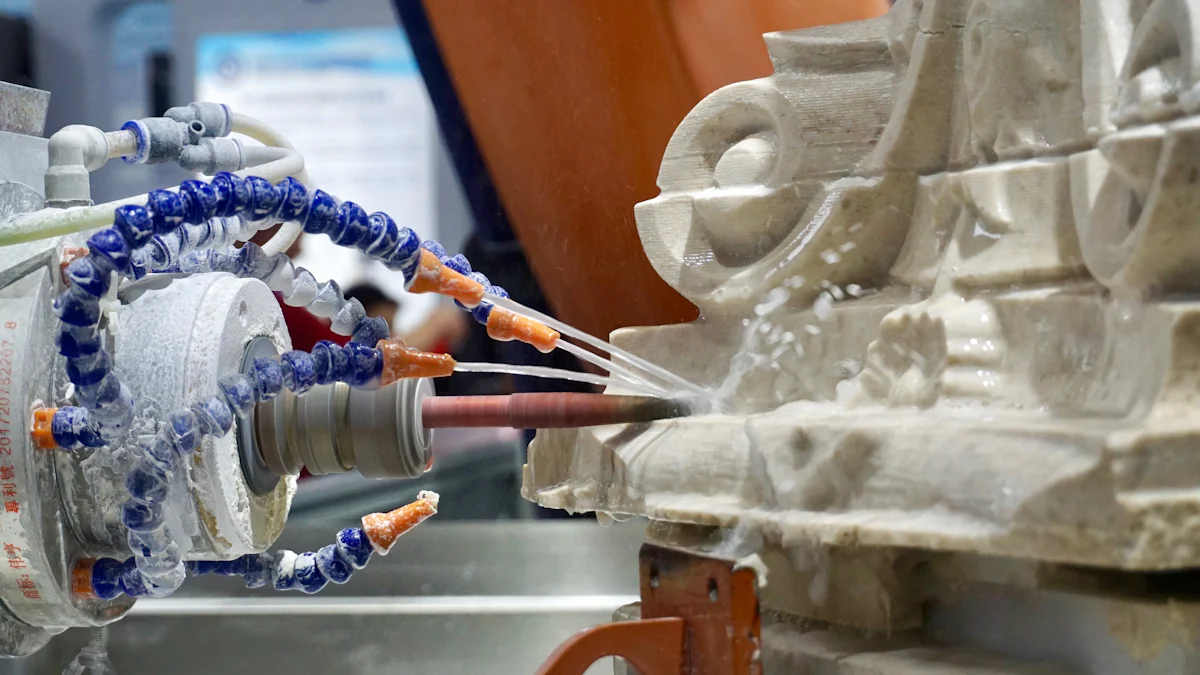
TAC coatings represent a high-performance surface treatment designed to enhance machining tools. You can rely on this advanced technology to improve tool durability and efficiency. TAC Coating Technology, including cvd tac coating, strengthens tools against wear and tear. This innovation boosts productivity by enabling faster machining processes and reducing tool replacement frequency.
Key Takeaways
- TAC Coatings make tools last longer and work better.
- They help tools wear out slower, saving money on replacements.
- These coatings allow faster and more accurate cutting, improving work speed.
Understanding TAC Coatings
What Are TAC Coatings?
TAC Coatings are advanced surface treatments designed to enhance the performance of machining tools. You can think of them as a protective shield that strengthens tools against wear and tear. These coatings are specifically engineered to improve the durability and efficiency of tools used in mechanical machining. By applying TAC Coatings, you ensure that your tools can handle high-speed operations and challenging materials without losing their edge.
Tip: If you want your tools to last longer and perform better, TAC Coatings are an excellent choice.
Unlike traditional coatings, TAC Coatings offer superior resistance to heat and friction. This makes them ideal for industries where precision and speed are critical.
Composition and Properties of TAC Coatings
The unique composition of TAC Coatings sets them apart from other surface treatments. These coatings typically consist of titanium, aluminum, and carbon, which combine to form a hard, durable layer. This layer acts as a barrier, protecting your tools from damage caused by extreme temperatures and abrasive materials.
Here’s a quick breakdown of their key properties:
- Hardness: TAC Coatings provide exceptional hardness, which helps tools resist wear and deformation.
- Heat Resistance: They can withstand high temperatures, making them suitable for high-speed machining.
- Low Friction: The smooth surface reduces friction, allowing tools to cut more efficiently.
| Property | Benefit |
|---|---|
| Hardness | Longer tool lifespan |
| Heat Resistance | Better performance at high speeds |
| Low Friction | Faster and smoother machining |
By understanding these properties, you can see why TAC Coatings are a game-changer in mechanical machining.
Productivity Benefits of TAC Coatings
Enhanced Wear Resistance
TAC Coatings significantly improve the wear resistance of machining tools. When you use tools coated with this advanced technology, they can withstand the abrasive forces of high-speed machining. This resistance reduces the risk of surface damage, ensuring consistent performance over time.
Did you know? Tools with enhanced wear resistance require fewer replacements, saving you both time and money.
The protective layer created by TAC Coatings minimizes material loss during operation. This feature is especially beneficial when machining hard or abrasive materials. By reducing wear, you can maintain the precision and quality of your machining processes.
Extended Tool Lifespan
One of the most noticeable benefits of TAC Coatings is the extended lifespan of your tools. The durable coating acts as a shield, protecting tools from heat, friction, and mechanical stress. This protection allows you to use your tools for longer periods without compromising their performance.
Longer tool life means fewer replacements and lower operational costs. You can also reduce downtime, as tools coated with TAC Coatings require less frequent maintenance. This improvement directly contributes to higher productivity in your machining operations.
Improved Cutting Speeds and Efficiency
TAC Coatings enable tools to operate at higher cutting speeds without overheating or losing efficiency. The low-friction surface reduces resistance, allowing tools to cut through materials more smoothly. This efficiency translates to faster machining times and improved output quality.
Pro Tip: Faster cutting speeds not only save time but also enhance the overall productivity of your machining processes.
By using TAC Coatings, you can achieve a perfect balance between speed and precision. This advantage makes them an essential choice for industries that demand high-performance machining.
Comparing TAC Coatings to Other Coatings
Key Differences Between TAC Coatings and Standard Coatings
When comparing TAC Coatings to standard coatings, you’ll notice several key differences that set them apart. Standard coatings often focus on basic protection, while TAC Coatings deliver advanced performance tailored for high-demand machining.
Here’s a quick comparison:
| Feature | Standard Coatings | TAC Coatings |
|---|---|---|
| Durability | Moderate | Exceptional |
| Heat Resistance | Limited | High |
| Friction Reduction | Minimal | Significant |
| Lifespan Extension | Short-term improvement | Long-term enhancement |
Standard coatings may work for light-duty tasks, but they struggle under extreme conditions. TAC Coatings, on the other hand, excel in high-speed and high-temperature environments. This makes them the superior choice for demanding machining operations.
Note: If you’re looking for coatings that can handle tough jobs, TAC Coatings outperform standard options every time.
Unique Advantages of TAC Coatings
TAC Coatings offer unique advantages that go beyond basic tool protection. Their advanced composition ensures tools perform at their peak, even under challenging conditions.
Here’s why you should consider TAC Coatings:
- Enhanced Precision: The low-friction surface ensures smoother cuts, improving the accuracy of your machining.
- Cost Efficiency: Tools last longer, reducing replacement costs and downtime.
- Versatility: Suitable for a wide range of materials, from soft metals to hard alloys.
Pro Tip: Investing in TAC Coatings can save you money in the long run by reducing tool wear and boosting productivity.
These advantages make TAC Coatings an essential upgrade for industries that demand efficiency and reliability. By choosing TAC Coatings, you ensure your tools stay sharp and effective for longer periods.
Applications of TAC Coatings
Industries That Benefit from TAC Coatings
You’ll find TAC Coatings used across a wide range of industries. These coatings are especially valuable in sectors where precision and durability are critical. For example, the aerospace industry relies on them to enhance the performance of tools used in machining lightweight yet tough materials like titanium alloys. Similarly, the automotive industry benefits from these coatings to improve the efficiency of tools used in manufacturing engine components and other high-stress parts.
The medical field also takes advantage of TAC Coatings. Tools used in creating surgical instruments and implants require extreme precision and wear resistance. These coatings ensure that the tools maintain their sharpness and accuracy over time. Additionally, industries like energy and electronics use TAC Coatings to optimize machining processes for specialized materials.
Fun Fact: TAC Coatings are even used in the production of molds for plastic manufacturing, ensuring smoother finishes and longer mold life.
Machining Processes Optimized by TAC Coatings
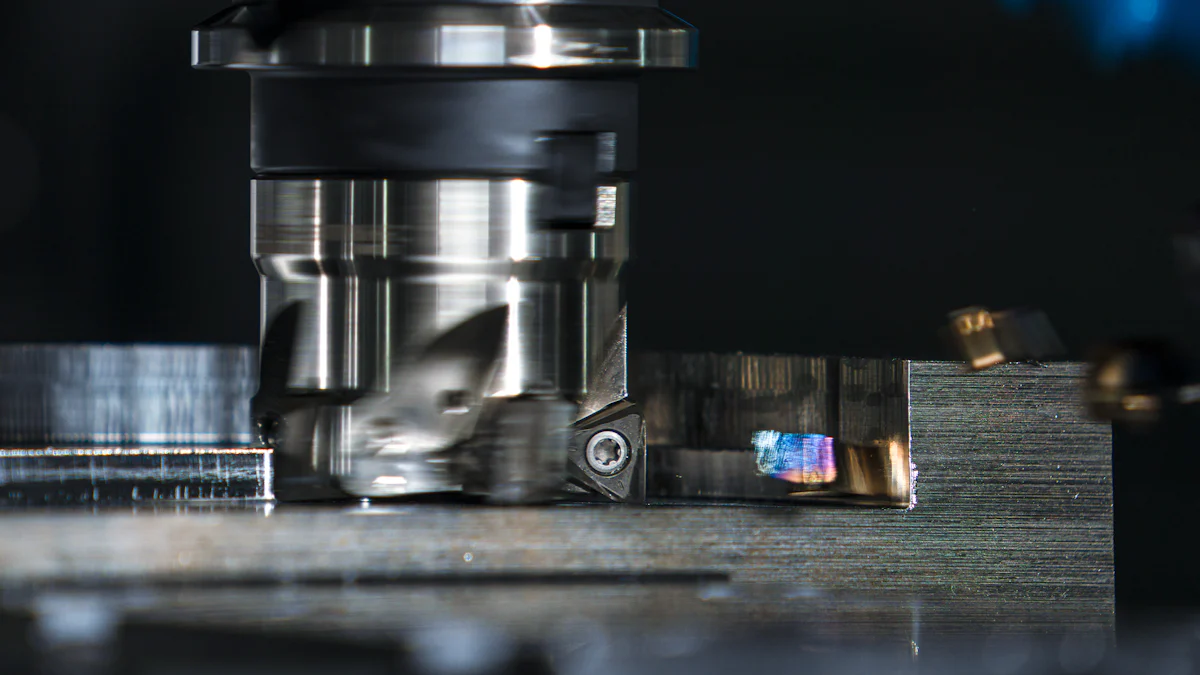
TAC Coatings enhance several machining processes, making them more efficient and reliable. High-speed cutting is one area where these coatings excel. They allow tools to operate at faster speeds without overheating or losing their edge. This improvement reduces machining time and increases output.
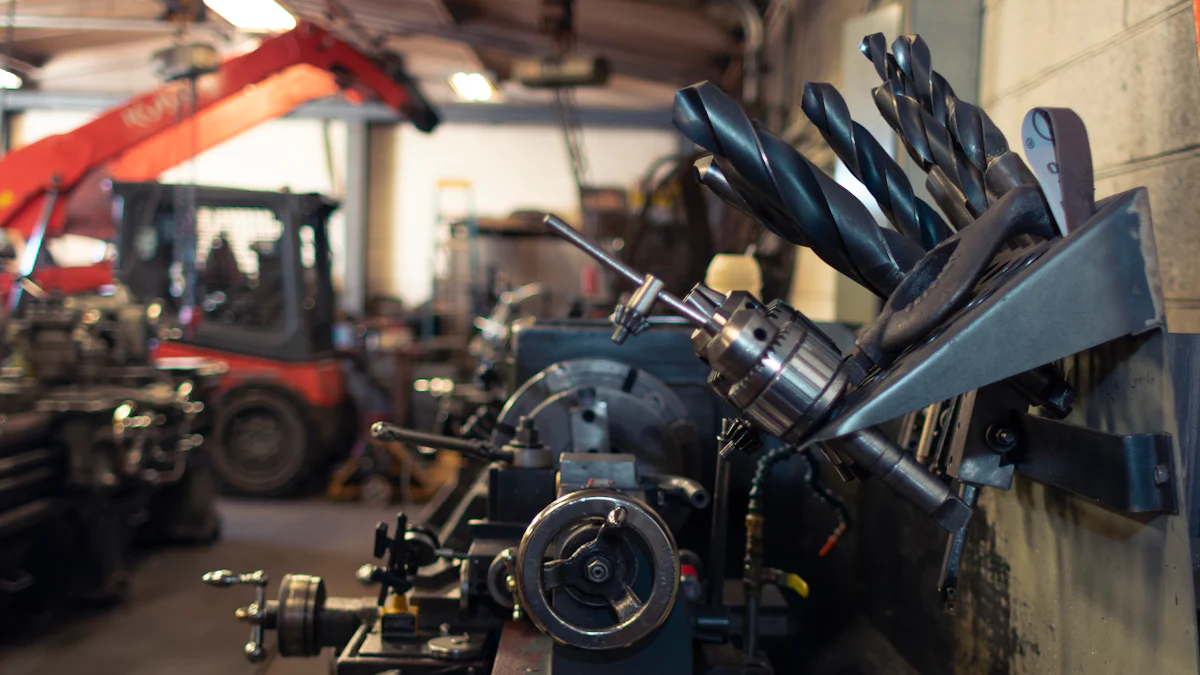
You’ll also notice significant benefits in processes like drilling, milling, and turning. The low-friction surface of TAC Coatings ensures smoother operations, reducing the risk of tool breakage. For hard-to-machine materials, such as hardened steel or composites, these coatings provide the durability needed to maintain precision.
Pro Tip: If you work with abrasive materials, TAC Coatings can help you achieve consistent results while extending tool life.
By applying TAC Coatings, you can optimize your machining processes, reduce downtime, and improve overall productivity.
TAC Coatings revolutionize machining by improving productivity, reducing costs, and enhancing tool efficiency. They help you achieve faster cutting speeds, longer tool life, and consistent precision. These coatings play a vital role in modern machining, making them indispensable for high-performance applications. By adopting TAC Coatings, you can stay ahead in today’s competitive industries.
FAQ
What makes TAC Coatings better than other coatings?
TAC Coatings offer superior hardness, heat resistance, and low friction. These properties ensure better durability, faster machining, and longer tool life compared to standard coatings.
Can TAC Coatings be applied to all machining tools?
Yes, you can apply TAC Coatings to most tools, including drills, mills, and turning tools. They work well with tools used for high-speed or high-temperature machining.
How do TAC Coatings reduce costs in machining?
TAC Coatings extend tool life and reduce wear. You save money by replacing tools less often and minimizing downtime during machining operations.
Tip: Investing in TAC Coatings improves efficiency and reduces long-term expenses.