

Medical device coatings play a vital role in improving safety and performance. You rely on these coatings to prevent infections, enhance durability, and ensure compatibility with the human body. Innovations like CVD tac coating have expanded possibilities. The growing TAC Coatings Market highlights the importance of advanced solutions like tac coating in modern healthcare.
Key Takeaways
- Antimicrobial coatings stop germs from sticking to devices.
- Hydrophilic coatings make surfaces smooth and slippery for easier use.
- Wear-resistant coatings make devices stronger and last longer.
Types of Coatings for Medical Devices

Antimicrobial Coatings
Antimicrobial coatings help protect medical devices from harmful microorganisms. These coatings reduce the risk of infections by preventing bacteria, fungi, and other pathogens from adhering to device surfaces. You’ll often find them on catheters, surgical instruments, and implants. By minimizing microbial growth, these coatings enhance patient safety and improve device longevity.
Hydrophilic Coatings
Hydrophilic coatings make device surfaces water-attractive, creating a smooth and lubricated layer. This feature reduces friction, making it easier to insert or maneuver devices like catheters and guidewires. You’ll notice how these coatings improve patient comfort during procedures while also reducing tissue damage.
Wear-Resistant Coatings
Wear-resistant coatings increase the durability of medical devices. They protect against abrasion, corrosion, and mechanical stress. Devices like orthopedic implants and surgical tools benefit from these coatings, ensuring they perform reliably over time. You can count on these coatings to extend the lifespan of critical equipment.
Drug-Eluting Coatings
Drug-eluting coatings combine therapeutic delivery with device functionality. These coatings release medication directly at the treatment site, offering targeted therapy. Stents with drug-eluting coatings, for example, help prevent artery blockages. This innovation reduces the need for additional treatments and enhances patient outcomes.
Biocompatible Coatings
Biocompatible coatings ensure that medical devices interact safely with the human body. They minimize immune reactions and improve compatibility with tissues. You’ll find these coatings on implants, prosthetics, and other devices that remain inside the body for extended periods.
Tac Coating and Its Applications
Tac coating represents a cutting-edge solution in medical device technology. It enhances adhesion and provides a stable surface for other coatings or materials. You’ll see tac coating used in applications where precision and reliability are critical, such as in cardiovascular devices or advanced surgical tools. Its versatility makes it a valuable addition to modern healthcare innovations.
Applications and Benefits of Medical Device Coatings
Infection Prevention with Antimicrobial Coatings
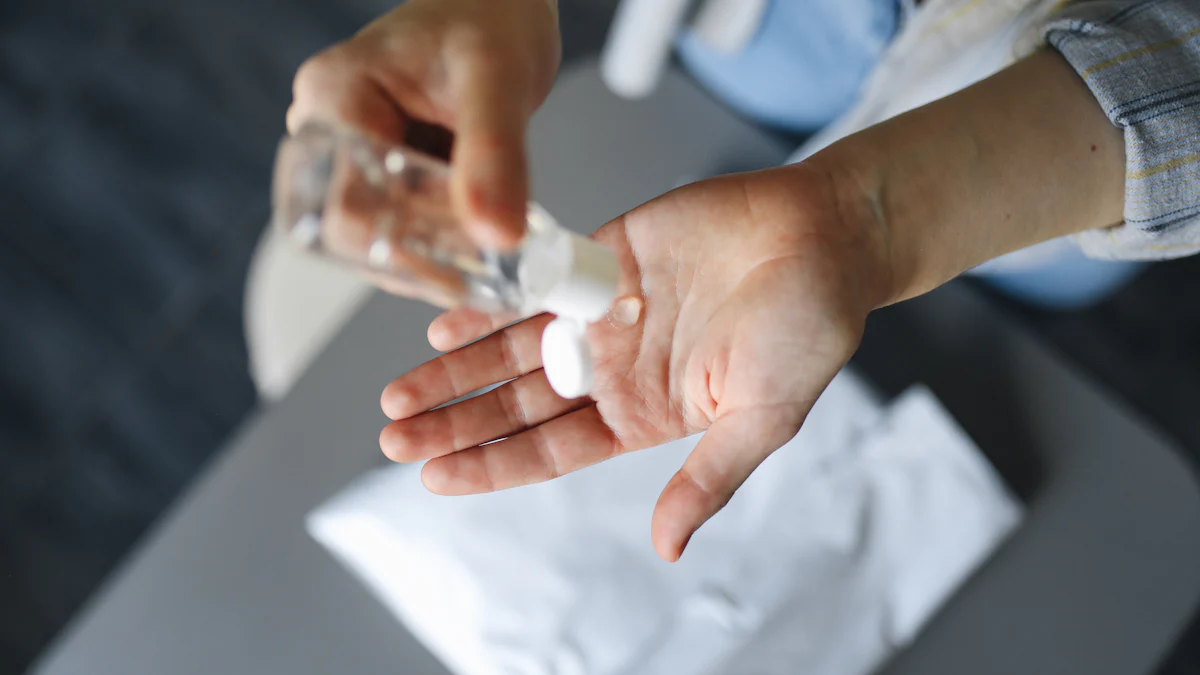
Antimicrobial coatings protect you from infections by stopping harmful microorganisms from growing on medical devices. These coatings are especially useful for devices like catheters and surgical tools. They create a barrier that prevents bacteria and fungi from sticking to surfaces. This reduces the risk of complications during medical procedures. By using these coatings, healthcare providers can improve patient safety and reduce hospital-acquired infections.
Enhanced Usability with Hydrophilic Coatings
Hydrophilic coatings make medical devices smoother and easier to use. These coatings attract water, forming a lubricated surface that reduces friction. You’ll notice their benefits in devices like catheters and guidewires, which become easier to insert and maneuver. This not only improves patient comfort but also minimizes tissue damage during procedures. Hydrophilic coatings enhance the overall experience for both patients and healthcare professionals.
Improved Longevity with Wear-Resistant Coatings
Wear-resistant coatings increase the lifespan of medical devices. They protect against damage caused by friction, corrosion, and repeated use. Devices like orthopedic implants and surgical instruments benefit greatly from these coatings. You can rely on them to maintain their performance over time, even under demanding conditions. This durability reduces the need for frequent replacements, saving time and resources.
Targeted Therapy with Drug-Eluting Coatings
Drug-eluting coatings combine treatment and device functionality. These coatings release medication directly at the site where it’s needed. For example, stents with drug-eluting coatings help keep arteries open while delivering drugs to prevent blockages. This targeted approach improves treatment outcomes and reduces the need for additional procedures. You’ll find these coatings especially valuable in cardiovascular treatments.
Compatibility and Safety with Biocompatible Coatings
Biocompatible coatings ensure that medical devices work safely with your body. They reduce the risk of immune reactions and improve the integration of devices with tissues. Implants, prosthetics, and other long-term devices often use these coatings. By choosing biocompatible coatings, manufacturers ensure that devices remain safe and effective for extended periods.
Unique Advantages of Tac Coating
Tac coating offers unique benefits in medical device applications. It enhances adhesion, creating a stable base for other coatings or materials. This makes it ideal for devices requiring precision and reliability, such as cardiovascular tools. Tac coating also supports advanced designs, enabling innovations in healthcare technology. Its versatility makes it a valuable choice for modern medical devices.
Challenges and Emerging Trends in Medical Device Coatings
Adhesion and Application Challenges
You may encounter adhesion issues when applying coatings to medical devices. These challenges arise due to differences in material properties or surface irregularities. For example, coatings may not bond well to certain metals or polymers. This can lead to peeling or reduced effectiveness. Manufacturers often use surface treatments or primers to improve adhesion. However, these steps can increase production time and costs. Addressing these challenges requires precise techniques and thorough testing.
Regulatory and Compliance Issues
Medical device coatings must meet strict regulatory standards. You need to ensure that coatings are safe, effective, and biocompatible. Regulatory bodies like the FDA require extensive testing and documentation. This process can be time-consuming and expensive. Non-compliance can result in delays or product recalls. Staying updated on regulations and working with experts can help you navigate these challenges.
Innovations in Smart Coatings
Smart coatings represent a significant advancement in medical technology. These coatings can respond to environmental changes, such as temperature or pH levels. For instance, a smart coating might release medication only when triggered by specific conditions. This innovation enhances precision and reduces side effects. You’ll likely see smart coatings used in drug delivery systems and diagnostic devices.
Advances in Nanotechnology for Coatings
Nanotechnology is transforming medical device coatings. By manipulating materials at the nanoscale, you can create coatings with unique properties. For example, nanocoatings can provide superior antimicrobial protection or enhance wear resistance. These coatings also allow for thinner layers, reducing material usage. Nanotechnology opens new possibilities for creating more effective and efficient coatings.
Future Potential of Tac Coating
Tac coating continues to show promise in medical applications. Its ability to enhance adhesion makes it a valuable tool for improving coating performance. You’ll find tac coating particularly useful in devices requiring multiple layers or complex designs. Researchers are exploring ways to combine tac coating with smart and nanotechnology-based solutions. This could lead to even more versatile and innovative medical devices in the future.
Medical device coatings play a vital role in improving both device performance and patient outcomes. You must carefully select the right coating to match the specific application and desired benefits.
Emerging innovations, such as tac coating, offer exciting possibilities. These advancements promise to reshape healthcare by enhancing precision, durability, and functionality in medical devices.
Stay informed about these developments to make the best choices for your needs.