

TAC coating technology enhances the durability and performance of materials. It creates a protective layer that resists wear, corrosion, and extreme temperatures. You can find TAC coatings in industries like aerospace, healthcare, and semiconductors. Processes like cvd tac coating ensure precise application, improving reliability in demanding environments. This innovation transforms how materials perform under stress.
Key Takeaways
- TAC coatings make materials last longer by adding a strong shield.
- This shield protects against damage, rust, and very high heat.
- The tiny structure of TAC coatings is very important.
- It changes how hard and heat-resistant the coating is.
- This helps it work well in tough conditions.
- Fields like airplanes, medicine, and factories use TAC coatings.
- They help things work better, cost less to fix, and last longer.
Microstructure of TAC Coatings
Composition and Materials in TAC Coatings
TAC coatings rely on a combination of advanced materials to achieve their unique properties. You will often find materials like titanium, aluminum, and carbon as the primary components. These elements form a thin, durable layer that protects surfaces from wear and corrosion. The exact composition depends on the application. For example, aerospace industries may require coatings with higher thermal resistance, while medical devices prioritize biocompatibility. Manufacturers carefully select materials to balance strength, flexibility, and environmental resistance. This precise selection ensures that TAC coatings meet the demands of modern industries.
Key Properties of TAC Coatings
TAC coatings offer several key properties that make them indispensable. They provide exceptional hardness, which helps resist scratches and abrasions. Their thermal stability allows them to perform well in extreme temperatures. You will also notice their ability to resist chemical corrosion, making them ideal for harsh environments. Additionally, TAC coatings often exhibit low friction, which reduces wear during mechanical operations. These properties combine to enhance the lifespan and reliability of coated materials. By understanding these features, you can see why TAC coatings are so widely used.
Engineering Microstructure for Enhanced Performance
The microstructure of TAC coatings plays a critical role in their performance. Engineers design the coating’s structure at the microscopic level to optimize its properties. For instance, they may adjust the grain size to improve hardness or modify the layer’s thickness for better thermal resistance. Advanced techniques like chemical vapor deposition (CVD) allow precise control over the microstructure. This level of engineering ensures that TAC coatings perform consistently across various applications. By tailoring the microstructure, you can achieve coatings that meet specific industrial needs.
Transitioning from Microstructure to Macro Applications
Influence of Microstructure on Performance
The microstructure of a TAC coating directly impacts its performance in real-world applications. A finely engineered microstructure enhances properties like hardness, thermal resistance, and chemical stability. For example, smaller grain sizes in the coating improve its strength and wear resistance. A uniform layer ensures consistent protection across the surface. You can see how these microscopic adjustments translate into better durability and efficiency for materials used in demanding industries. By understanding this connection, you can appreciate why microstructure design is critical for achieving optimal results.
Challenges in Scaling TAC Coatings
Scaling TAC coatings from laboratory research to industrial production presents unique challenges. Maintaining the precise microstructure on a larger scale requires advanced equipment and strict quality control. Variations in temperature, pressure, or material composition during production can affect the coating’s properties. You may also encounter cost constraints when applying these coatings to large surfaces or complex geometries. Addressing these challenges involves refining manufacturing techniques and investing in scalable technologies. Overcoming these hurdles ensures that TAC coatings remain reliable and effective in mass production.
Bridging Laboratory Research to Industrial Applications
Bridging the gap between research and industrial use involves collaboration between scientists and engineers. Researchers focus on developing innovative methods to enhance the microstructure. Engineers work on adapting these methods for large-scale production. Techniques like chemical vapor deposition (CVD) play a key role in this process. You can see how this partnership ensures that laboratory advancements translate into practical solutions. By aligning research goals with industrial needs, TAC coatings continue to evolve and meet the demands of modern industries.
Macro Applications of TAC Coatings
Aerospace and Automotive Applications
You can find TAC coatings playing a vital role in aerospace and automotive industries. These coatings protect engine components, turbine blades, and exhaust systems from extreme heat and wear. In aerospace, they enhance the durability of parts exposed to high temperatures and friction during flight. Automotive manufacturers use TAC coatings to improve fuel efficiency by reducing friction in engine parts. These coatings also help extend the lifespan of critical components, reducing maintenance costs. By using TAC coatings, these industries achieve better performance and reliability under demanding conditions.
Use in Medical Devices and Healthcare
TAC coatings contribute significantly to the healthcare sector. You will see them used in surgical instruments, implants, and diagnostic equipment. Their biocompatibility ensures that medical devices remain safe for use inside the human body. For example, TAC coatings on implants prevent corrosion and improve wear resistance, ensuring long-term functionality. In surgical tools, these coatings reduce friction, making procedures smoother and more precise. By applying TAC coatings, healthcare providers ensure that medical devices perform reliably while maintaining patient safety.
Industrial Applications and Their Benefits
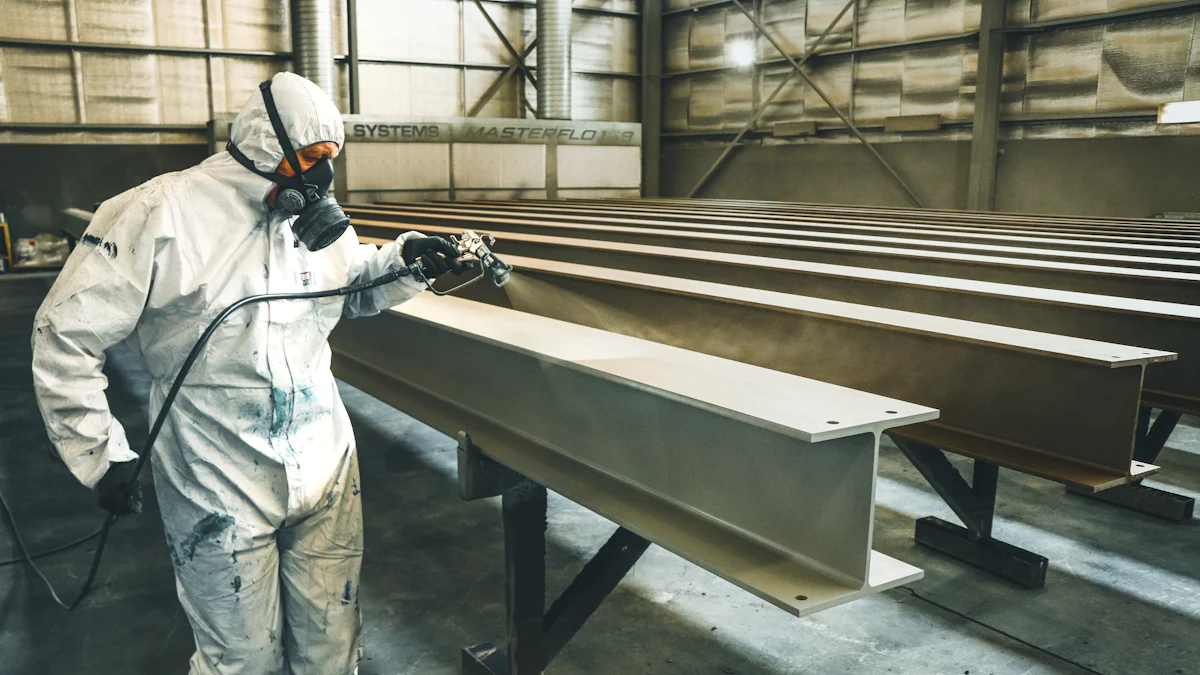
In industrial settings, TAC coatings provide protection for machinery and tools. You will notice their use in cutting tools, molds, and heavy machinery components. These coatings resist wear and corrosion, even in harsh environments like chemical plants or manufacturing facilities. They also reduce downtime by extending the lifespan of equipment. For example, TAC coatings on cutting tools improve precision and reduce tool replacement frequency. By incorporating TAC coatings, industries save costs and maintain efficiency in their operations.
TAC coating technology plays a vital role in modern industries by enhancing durability and performance. You can see how its microstructure directly influences macro applications, bridging the gap between research and real-world use. Future trends point to innovations in fabrication techniques and expanding applications, ensuring this technology continues to evolve and meet industrial demands.