
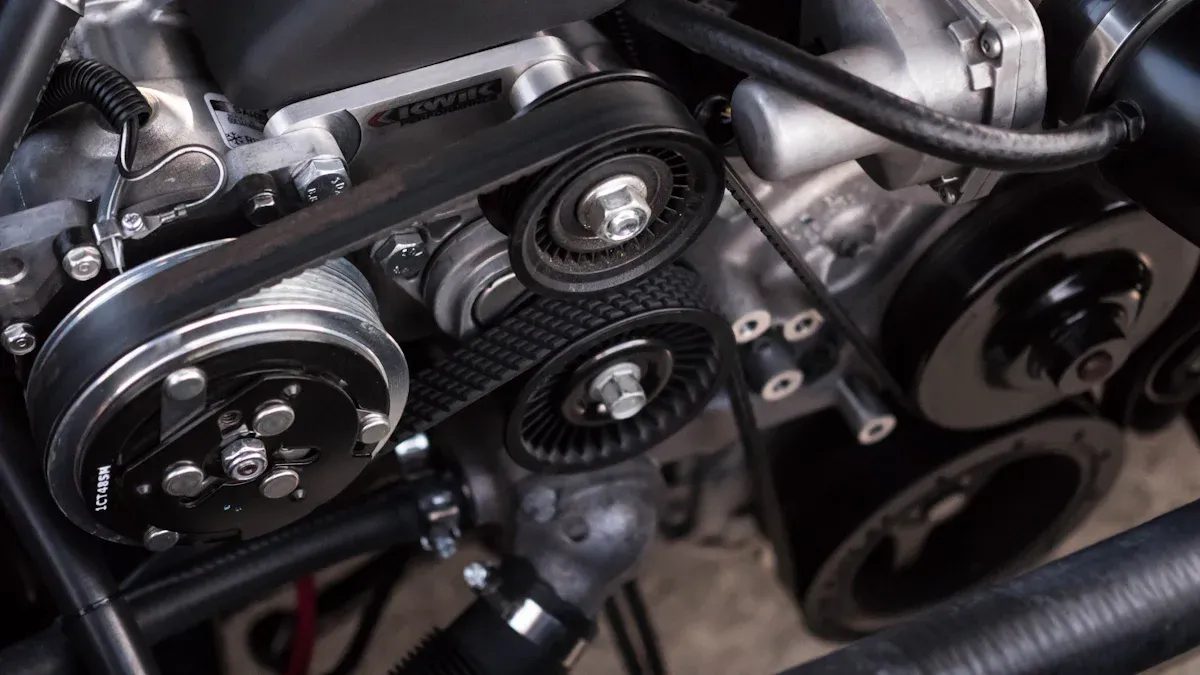
Crankshaft pulleys face constant wear due to friction and heat. Graphite coatings offer a solution by reducing these effects. Their unique properties help engines run smoothly and last longer. Using a graphite coating for cars ensures better performance and durability. These coatings also minimize maintenance needs, making them a smart choice for automotive components.
Key Takeaways
- Graphite coatings lower friction and heat, making crankshaft pulleys last longer. This means fewer fixes and smoother engine work.
- Getting the surface ready is key for graphite coatings. Clean surfaces stick better and last a long time.
- Regular care, like checks and soft cleaning, keeps coatings working well. This guards your pulleys and saves repair costs.
Crankshaft Pulleys and Their Challenges
The Role of Crankshaft Pulleys
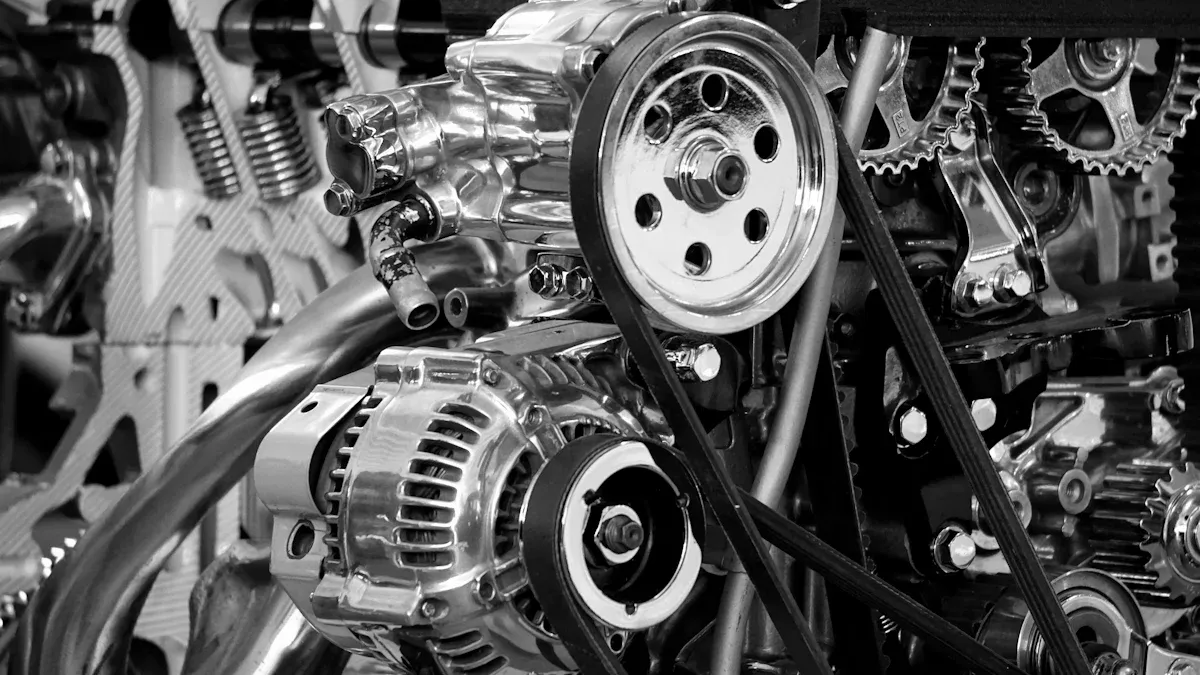
Crankshaft pulleys play a vital role in automotive engines by transferring rotational energy from the crankshaft to other components. These pulleys drive essential systems such as the alternator, power steering pump, and air conditioning compressor. Their design must balance durability, weight, and vibration absorption to ensure optimal engine performance.
| Material | Benefits |
|---|---|
| Steel | Durable, cost-effective, maintains integrity under demanding conditions. |
| Aluminum | Lighter, improves fuel efficiency, dissipates heat, resistant to corrosion. |
| Composite Materials | Absorbs vibrations, allows for innovative designs, balances weight and durability. |
The choice of material significantly impacts the pulley’s performance and longevity. For instance, steel offers unmatched durability, while aluminum enhances fuel efficiency. Composite materials, on the other hand, excel in vibration absorption, making them ideal for modern engines.
Common Issues Faced by Crankshaft Pulleys
Crankshaft pulleys face several challenges during operation. Misalignment is a leading issue, often causing wear and eventual failure. Misaligned belt-driven equipment increases repair costs and leads to unplanned downtime. Proper alignment procedures are critical to prevent these failures.
Additionally, high-performance engines expose pulleys to extreme conditions. Many pulleys use a two-piece construction with rubber components to dampen vibrations. This design prevents failure under pulsating forces caused by resonant frequencies. However, lightweight pulley alternatives often lack adequate long-term testing, raising concerns about their reliability.
Graphite coatings can address these challenges by reducing wear and improving heat resistance. These coatings enhance the durability of crankshaft pulleys, ensuring they withstand demanding conditions while maintaining efficiency.
The Science Behind Graphite Coatings
Key Properties of Graphite Coatings
Graphite coatings possess unique properties that make them ideal for automotive applications. Their exceptional lubricity reduces friction between moving parts, which minimizes wear and tear. These coatings also exhibit excellent thermal conductivity, allowing them to dissipate heat efficiently. This property is crucial for components like crankshaft pulleys that operate under high temperatures.
Another key feature is their chemical stability. Graphite coatings resist corrosion and oxidation, even in harsh environments. This ensures that the coated surfaces maintain their integrity over time. Additionally, these coatings are lightweight, which helps improve the overall efficiency of the engine. Their ability to adhere to various materials, including steel and aluminum, makes them versatile for different pulley designs.
How Graphite Coatings Address Crankshaft Pulley Issues
Graphite coatings effectively tackle common challenges faced by crankshaft pulleys. By reducing friction, they prevent premature wear caused by constant motion. This extends the lifespan of the pulley and reduces the need for frequent replacements. Their heat resistance ensures that pulleys can withstand extreme operating conditions without deforming or losing functionality.
These coatings also enhance the pulley’s ability to absorb vibrations. This reduces stress on the engine and improves overall performance. Furthermore, their corrosion-resistant properties protect the pulley from environmental damage, such as exposure to moisture or chemicals. By addressing these issues, graphite coatings ensure that crankshaft pulleys remain reliable and efficient throughout their service life.
Benefits of Graphite Coatings for Crankshaft Pulleys
Enhanced Durability and Lifespan
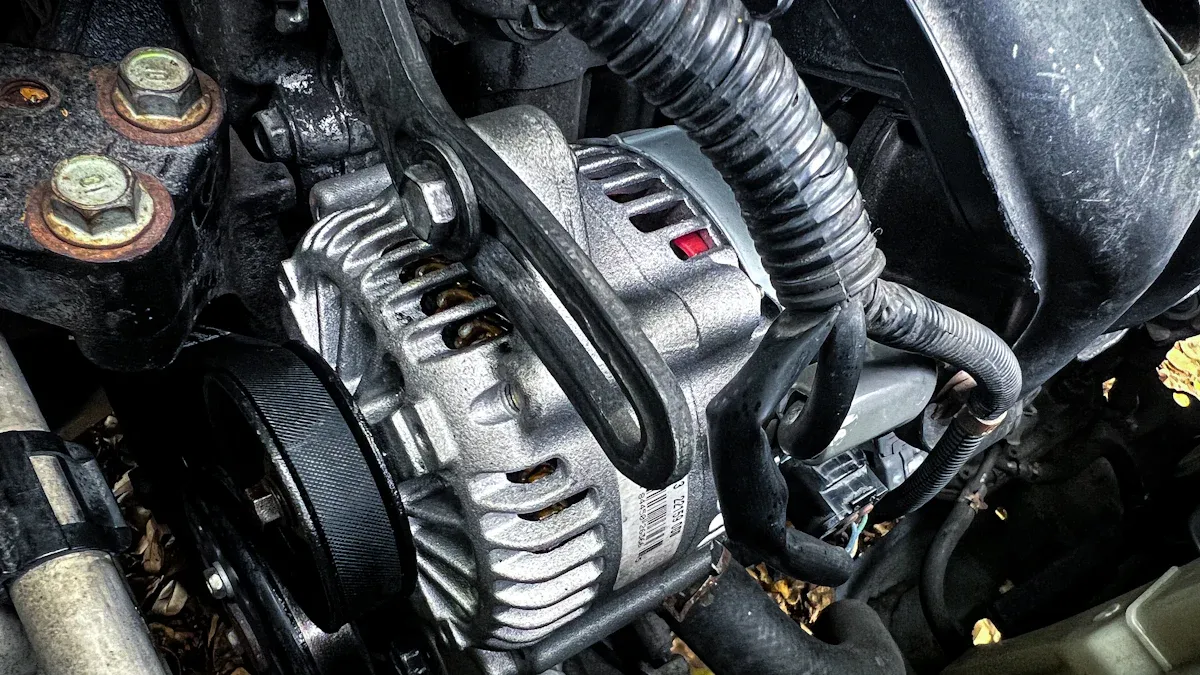
Graphite coatings significantly enhance the durability of crankshaft pulleys. Their ability to reduce friction minimizes wear on the pulley surface, even under continuous operation. This ensures that the component maintains its structural integrity over time. Additionally, the thermal conductivity of graphite coatings helps dissipate heat efficiently, preventing damage caused by high temperatures. These properties collectively extend the lifespan of crankshaft pulleys, making them more reliable for long-term use.
Improved Engine Efficiency
By reducing friction, graphite coatings improve the efficiency of engine components. Lower friction levels mean less energy is wasted during operation, allowing the engine to perform more effectively. The lightweight nature of these coatings also contributes to better fuel efficiency by reducing the overall weight of the pulley system. Furthermore, their vibration-dampening properties enhance the smoothness of engine performance, ensuring optimal functionality across various driving conditions.
Cost and Maintenance Advantages
Graphite coatings offer substantial cost and maintenance benefits. Their ability to reduce wear and resist corrosion decreases the frequency of repairs and replacements. This leads to lower maintenance costs and less downtime for vehicles. Industries have reported significant savings due to these advantages:
| Industry/Application | Benefits | Cost Savings |
|---|---|---|
| Automotive | Reduces friction, withstands high temperatures | Improved component durability, reduced maintenance frequency |
| Heavy Machinery | Achieves faster demolding cycles | Up to 30% faster production efficiency |
| Consumer Electronics | Enhances heat dissipation | Potentially reduces cooling energy costs by 12-18% |
Additionally, longer component life results in substantial savings over time. Reduced lubricant usage further cuts material costs, making graphite coatings a cost-effective solution for crankshaft pulleys.
Applying and Maintaining Graphite Coatings
Preparing the Surface for Coating
Proper surface preparation is critical for ensuring the optimal performance of graphite coatings. A clean and well-prepared surface enhances adhesion and prevents premature coating failure. Various techniques are employed to achieve this, depending on the material and condition of the crankshaft pulley.
| Technique | Description |
|---|---|
| Alkaline Cleaners | Remove organic contaminants like oils and greases, facilitating easier rinsing. |
| Acid Cleaners | Effective for rust and scale removal, leaving a clean surface for better adhesion. |
| Phosphate Coatings | Enhance adhesion and corrosion resistance by providing a crystalline structure for better bonding. |
| Chromate Coatings | Improve corrosion resistance and adhesion, particularly for aluminum and non-ferrous metals. |
Selecting the appropriate method ensures the surface is free from contaminants, enabling the coating to bond effectively and perform as intended.
Application Techniques for Graphite Coatings
The application process plays a vital role in maximizing the performance of graphite coatings. Several technological studies highlight methods that improve coating stability and durability:
- Deposit protective layers, such as niobium carbide (NbC) or zirconium carbide (ZrC), to enhance thermal resistance.
- Introduce compliant metallic layers to accommodate differences in thermal expansion coefficients.
- Use molybdenum carbide (Mo2C) as the innermost layer, followed by molybdenum (Mo) and niobium (Nb) layers for added strength.
Uniform grain size is essential for coating stability, as smaller grains may increase porosity and susceptibility to oxidation. Maintaining ultra-high purity during application prevents impurities from compromising the coating’s performance under high temperatures. Consistent distribution of the coating minimizes localized thermal stress, reducing the risk of cracking.
Maintenance Tips for Long-Lasting Results
Routine maintenance ensures the longevity of graphite coatings on crankshaft pulleys. Regular inspections help identify early signs of wear or damage. Cleaning the coated surface with non-abrasive materials prevents scratches that could compromise the coating’s integrity. Avoid exposing the pulley to harsh chemicals or extreme conditions beyond its operational limits.
Reapplying the coating when necessary restores its protective properties, ensuring the pulley continues to perform efficiently. Following these maintenance practices helps maximize the lifespan of both the coating and the component it protects.
Advanced graphite coatings provide a revolutionary way to extend the lifespan of crankshaft pulleys. These coatings reduce wear, enhance heat resistance, and minimize friction, ensuring consistent performance. By improving durability and efficiency, they help automotive components operate reliably. Ningbo VET Energy Technology Co. offers premium solutions, delivering high-quality graphite coatings tailored to meet industry demands.
FAQ
What makes graphite coatings ideal for crankshaft pulleys?
Graphite coatings reduce friction, resist heat, and prevent corrosion. These properties enhance the durability and efficiency of crankshaft pulleys in demanding automotive environments.
Tip: Regular maintenance ensures the coating performs optimally over time.
How long do graphite coatings typically last?
The lifespan depends on operating conditions and maintenance. With proper care, graphite coatings can protect crankshaft pulleys for several years.
Can graphite coatings be applied to all pulley materials?
Yes, graphite coatings adhere to various materials, including steel, aluminum, and composites. Proper surface preparation ensures effective bonding and long-lasting performance.