
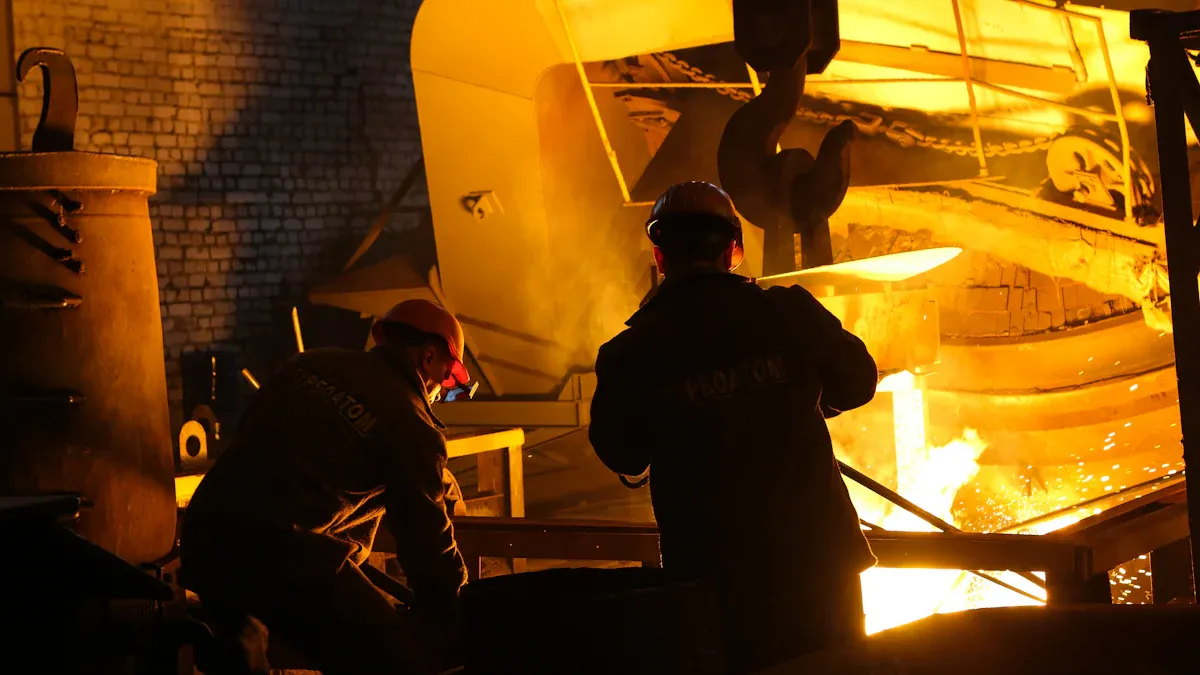
Silicon Carbide Ceramic Coatings are essential in high-temperature metallurgy, offering exceptional thermal conductivity and oxidation resistance to withstand extreme conditions. Industries depend on SIC COATING for its unparalleled durability. Applications such as CVD SIC COATING in furnaces and TAC COATING in casting molds have transformed metallurgical processes worldwide. Additionally, innovations like CVD TAC COATING have significantly advanced operations in Brazil’s industrial sector.
Key Takeaways
- Silicon carbide ceramic coatings handle high heat, staying strong up to 1650°C. This makes them important for working with very hot metals.
- These coatings help machines last longer by stopping damage from heat and wear. This lowers repair costs and makes work faster.
- Silicon carbide coatings resist chemicals well. They keep machines safe in tough conditions and stop damage from harmful chemicals.
What Are Silicon Carbide Ceramic Coatings?
Composition and Properties
Silicon carbide ceramic coatings are engineered materials known for their exceptional performance in extreme environments. These coatings are primarily composed of silicon carbide (SiC), a compound formed by silicon and carbon atoms. The unique atomic structure of SiC gives it remarkable thermal, mechanical, and chemical properties, making it an ideal choice for high-temperature metallurgy applications.
Different types of silicon carbide ceramic coatings, such as Reaction Bonded Silicon Carbide (RBSiC), Sintered Silicon Carbide (SSiC), and Recrystallized Silicon Carbide (RSiC), exhibit varying characteristics. The table below highlights their key properties:
| Property | RBSiC | SSiC | RSiC |
|---|---|---|---|
| Max. Service Temp (air) | 1380°C | 1650°C | 1650°C |
| Density | ≥3.02 g/cm³ | ≥3.10 g/cm³ | 2.60-2.74 g/cm³ |
| Thermal Conductivity | 40 W/m.k | 35 W/m.k | 10 W/m.k |
| Bending Strength (20°C) | 250 MPa | 380 MPa | 100 MPa |
| Compressive Strength | 2100 MPa | 2200 MPa | >300 MPa |
| Acid Alkaline-proof | General | Excellent | Superior |
These properties demonstrate why silicon carbide ceramic coatings are indispensable in high-temperature metallurgy. For instance, their high thermal conductivity ensures efficient heat transfer, while their superior compressive strength allows them to withstand extreme mechanical stress. Additionally, their resistance to acidic and alkaline environments makes them suitable for use in chemically aggressive conditions.
Note: The choice of coating type depends on the specific requirements of the application, such as temperature range, mechanical load, and exposure to corrosive substances.
Manufacturing Process
The production of silicon carbide ceramic coatings involves advanced techniques to ensure optimal performance. The process typically includes the following steps:
- Material Preparation: High-purity silicon carbide powder is mixed with binders and additives to achieve the desired composition.
- Shaping: The mixture is shaped into the required form using methods such as pressing, extrusion, or injection molding.
- Sintering or Reaction Bonding: The shaped material undergoes a high-temperature treatment to enhance its density and mechanical properties. Sintering involves heating the material without melting it, while reaction bonding involves a chemical reaction between silicon and carbon.
- Coating Application: The silicon carbide material is applied as a coating to the substrate using techniques like chemical vapor deposition (CVD) or thermal spraying. These methods ensure a uniform and durable coating layer.
- Final Processing: The coated substrate is subjected to finishing processes, such as polishing or machining, to achieve the desired surface quality and dimensions.
Each step in the manufacturing process is carefully controlled to ensure the final product meets stringent quality standards. This meticulous approach results in silicon carbide ceramic coatings that deliver exceptional performance in demanding industrial environments.
Benefits of Silicon Carbide Ceramic Coatings in High-Temperature Metallurgy
Heat Resistance and Thermal Stability
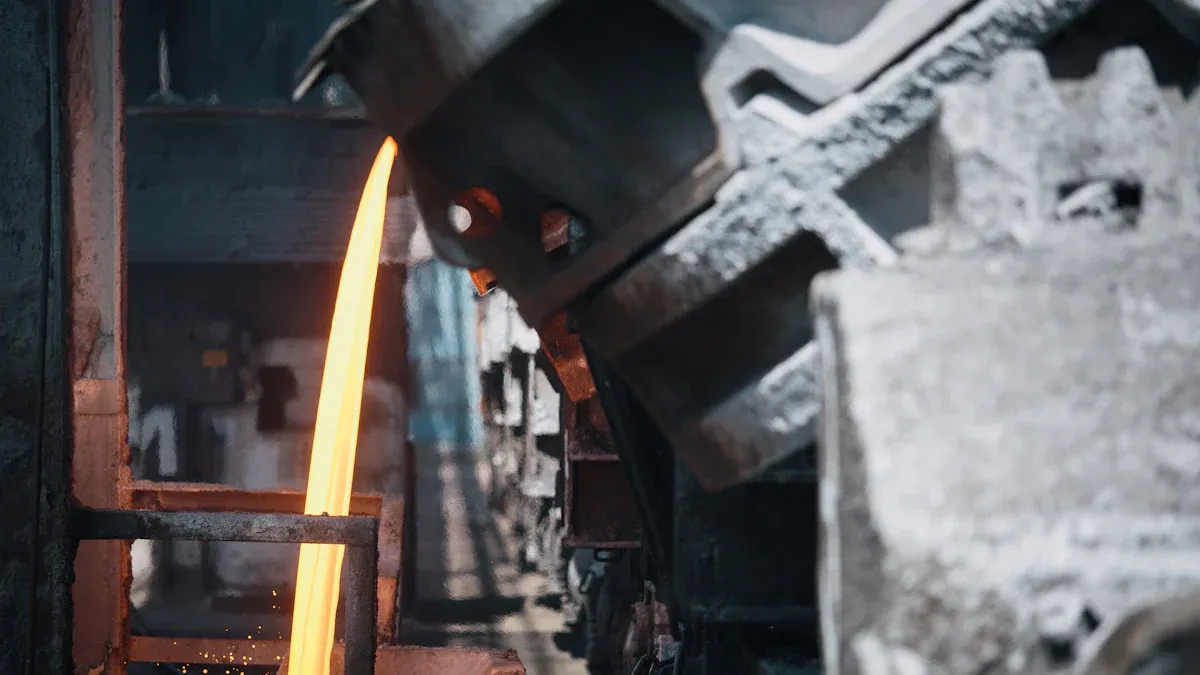
Silicon carbide ceramic coatings excel in environments where extreme heat is a constant challenge. These coatings provide exceptional thermal stability, maintaining their structural integrity even at temperatures as high as 1650°C. This makes them indispensable in high-temperature metallurgy, where equipment often operates under intense thermal stress.
A key performance metric for these coatings is their ability to resist thermal degradation. The table below highlights some of the critical metrics that demonstrate their superior heat resistance and stability:
| Metric | Value |
|---|---|
| Thermal stability | Up to 700 °C |
| Hardness | High |
| Coefficient of friction | Low |
| Wear rate | Decreased after annealing at 500 °C |
These properties ensure that silicon carbide ceramic coatings not only withstand high temperatures but also maintain their performance over extended periods. This durability reduces the frequency of equipment failure, leading to significant cost savings for industries.
Wear and Abrasion Resistance
In high-temperature metallurgy, equipment faces constant exposure to abrasive materials and mechanical wear. Silicon carbide ceramic coatings offer a robust solution to this challenge. Their high hardness and low coefficient of friction minimize surface damage, even under continuous mechanical stress.
Industries that utilize these coatings report substantial improvements in equipment lifespan. For example:
- Silicon carbide coatings extend the lifespan of commercial aircraft engines by 15-20%, reducing maintenance costs and downtime.
- EU manufacturers achieve operational lifespans up to 20% longer for high-temperature equipment, aligning with sustainability goals.
- Empirical data shows that silicon carbide outlasts conventional refractory materials by three times, resulting in significant cost savings.
These benefits highlight the critical role of silicon carbide ceramic coatings in enhancing the durability and efficiency of industrial operations.
Chemical Resistance in Harsh Environments
High-temperature metallurgy often involves exposure to chemically aggressive environments, including acidic and alkaline substances. Silicon carbide ceramic coatings exhibit exceptional chemical resistance, making them ideal for such conditions. Their inert nature prevents reactions with corrosive agents, ensuring the longevity of coated equipment.
This resistance not only protects the equipment but also enhances safety in industrial operations. By preventing chemical degradation, these coatings reduce the risk of equipment failure, which could lead to hazardous situations. Their ability to perform reliably in harsh environments underscores their importance in modern metallurgy.
Applications of Silicon Carbide Ceramic Coatings in Metallurgy
Furnace Linings and Heat Exchangers
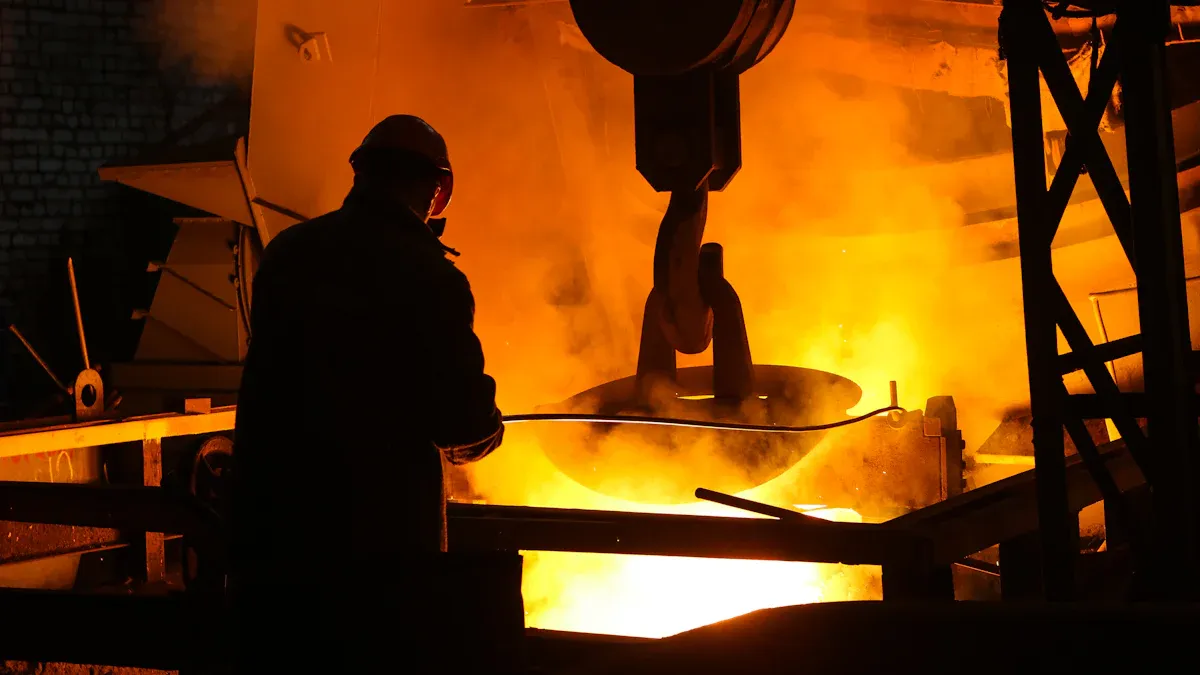
Silicon carbide ceramic coatings play a pivotal role in furnace linings and heat exchangers. Their exceptional thermal conductivity ensures efficient heat transfer, while their ability to withstand temperatures exceeding 1,600°C makes them ideal for high-temperature environments. These coatings also resist thermal shock, preventing cracking or deformation during rapid temperature changes. In metallurgy, furnace linings coated with silicon carbide enhance energy efficiency and reduce maintenance costs. Heat exchangers benefit from the material’s durability, maintaining performance even in corrosive atmospheres. This combination of properties ensures reliable operation in demanding industrial processes.
Protective Coatings for Tools and Equipment
Tools and equipment used in metallurgy endure constant exposure to abrasive materials and mechanical stress. Silicon carbide ceramic coatings provide a robust protective layer, significantly extending the lifespan of these components. Their high hardness and low friction reduce wear, ensuring consistent performance over time. For example, cutting tools coated with silicon carbide maintain sharpness longer, improving productivity in machining operations. Similarly, molds and dies used in casting processes benefit from enhanced resistance to thermal and mechanical degradation. This durability minimizes downtime and replacement costs, making these coatings an invaluable asset in industrial settings.
Broader Industrial Applications
Beyond metallurgy, silicon carbide ceramic coatings find applications across diverse industries. Their versatility stems from their unique combination of thermal, mechanical, and chemical properties. The table below highlights key applications and their impact:
| Industry | Application Description | Key Statistics |
|---|---|---|
| Metallurgy | Used for molten metal filtration to improve product quality. | Global aluminum production exceeded 70 million metric tons in 2023; 15% reduction in defect rates. |
| Chemical Processing | Serves as catalyst supports and reactor linings for efficient chemical synthesis. | 30% reduction in reactor downtime for a leading ethylene oxide producer after switching to SiC. |
| Energy | Acts as electrode supports in solid oxide fuel cells (SOFCs) for high-temperature stability. | SOFCs achieved 5,000+ hours of operation at 85% efficiency; market projected to grow at 12.8% CAGR. |
| Environmental Protection | Utilized in flue gas filtration and wastewater treatment for high efficiency. | 99.9% particulate capture rates in coal-fired power plants; over 200 GW of upgrades in China. |
| Aerospace | Tested for thermal shielding in rocket nozzle liners. | Withstood 2,200°C exhaust gases; aerospace composites market expected to reach $57 billion by 2027. |
| Automotive | Implemented in braking systems for enhanced performance. | N/A |
These applications demonstrate the transformative potential of silicon carbide ceramic coatings. From improving energy efficiency in power plants to enhancing safety in aerospace, their impact extends far beyond metallurgy.
Silicon carbide ceramic coatings represent a breakthrough in high-temperature metallurgy. Their durability, efficiency, and oxidation resistance ensure reliable performance in extreme conditions. The table below highlights key metrics that validate their long-term impact:
| Metric | Description |
|---|---|
| Durability | Silicon carbide coatings enhance durability in harsh environments. |
| Performance | These materials improve efficiency in turbine engines and industrial tools. |
| Oxidation Resistance | Coatings prevent rapid oxidation at elevated temperatures. |
As materials science evolves, these coatings will unlock new possibilities across industries, solidifying their role as a cornerstone of modern metallurgy.
FAQ
What makes silicon carbide ceramic coatings unique compared to other materials?
Silicon carbide ceramic coatings offer unmatched heat resistance, wear durability, and chemical stability. These properties outperform traditional materials in high-temperature and corrosive environments.
How do silicon carbide coatings improve equipment lifespan?
These coatings reduce wear, resist thermal shock, and prevent chemical corrosion. This combination significantly extends the operational life of industrial tools and machinery.
Are silicon carbide ceramic coatings environmentally friendly?
Yes, they enhance energy efficiency and reduce material waste by prolonging equipment lifespan. Their durability minimizes the need for frequent replacements, supporting sustainability goals.
Tip: Regular maintenance of coated equipment ensures optimal performance and maximizes the benefits of silicon carbide ceramic coatings.