Barco de Wafer Contíguo

VET enregy offer Barco de Wafer Contíguo base on semiconductor SIC and ceramic material. The special continuous structure design of the wafer boat ensures each wafer is tightly connected without gaps, maximizing space utilization and improving production efficiency. Precisely designed positioning holes ensure perfect alignment with fixtures during processing, enhancing accuracy and yield. Made of smooth, inert materials, the wafer boat prevents contamination, absorbs vibrations, and protects wafers during transport.

连续晶圆舟-3


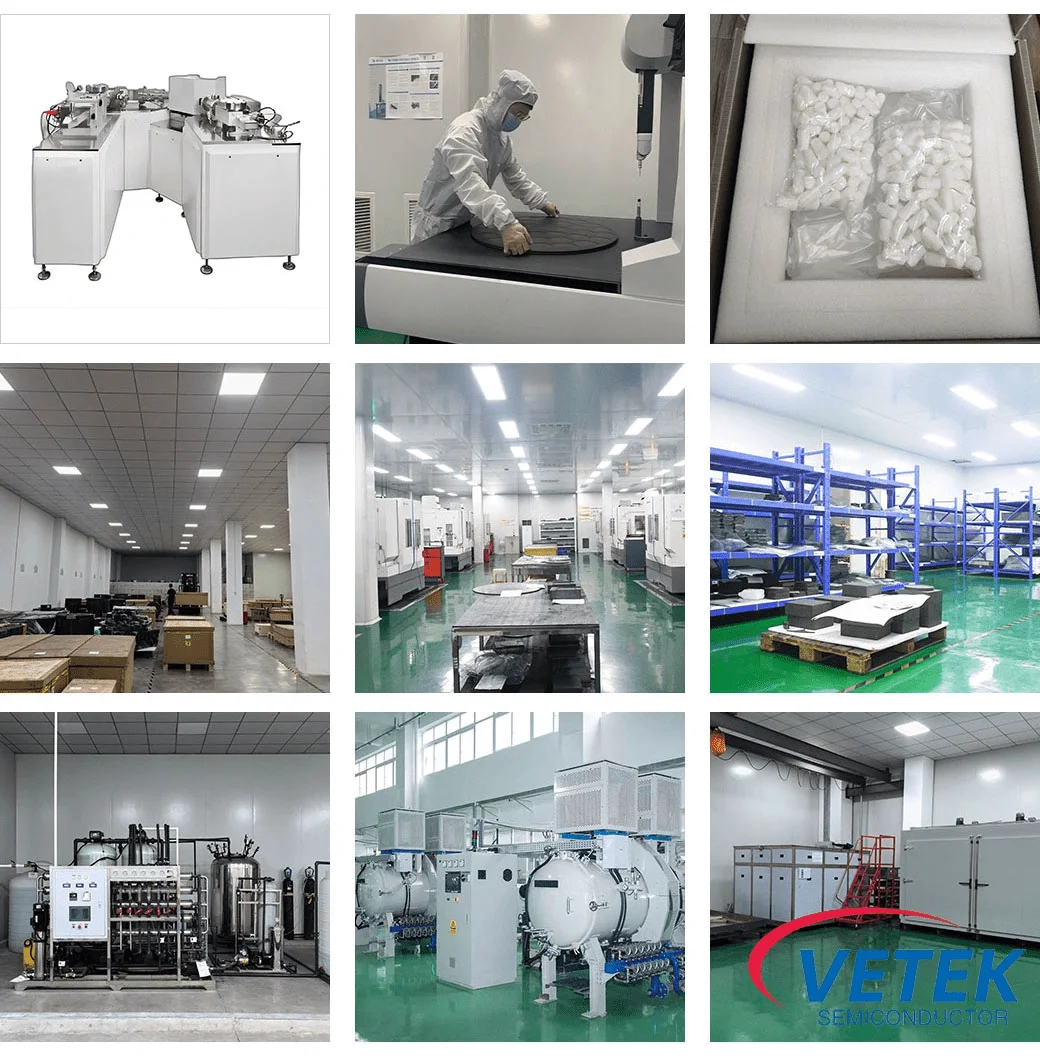
Our State-Of-The-Art Manufacturing Facilities Offer:
• Ultra-high-purity recrystallized and CVD silicon carbides
• Advanced forming and casting technologies
• Extreme-precision CNC machining
• High-temperature firing capabilities
• Plasma coating technologies
• Advanced cleaning processes


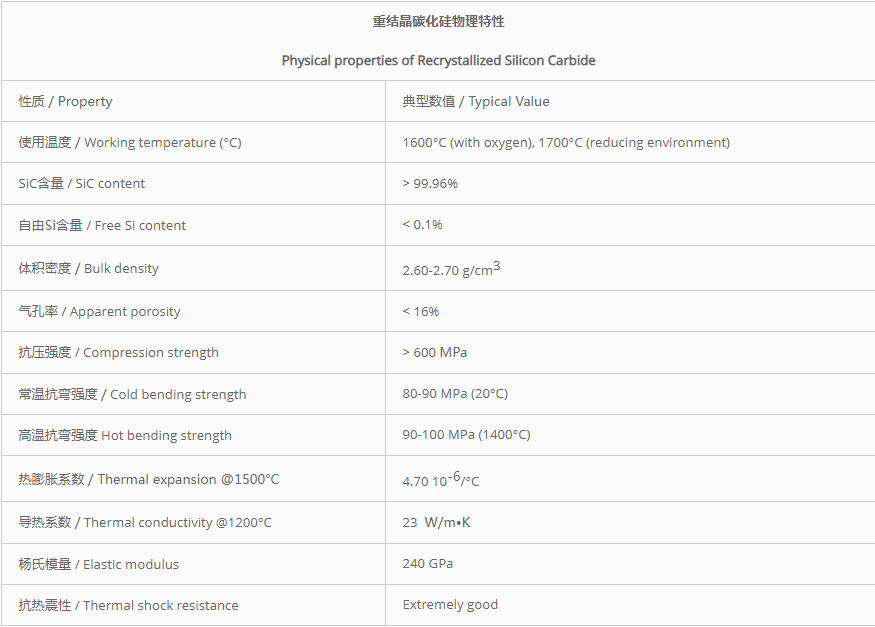
Basic physical properties of Horizontal SiC Wafer Carrier:


Advanced Material Research & Development
VET energy continues to make signficant investments in research and development to develop next-generation materials for the critical challenges faced by semiconductor and solar manufacturing industries. 


As a leading manufacturer and supplier of advanced coating materials in China’s semiconductor industry, VeT energy is committed to providing customers with various customized advanced technology and product solutions.We sincerely hope to become your long-term partner in China.
VeTek Semiconductor Wafer Boat shops


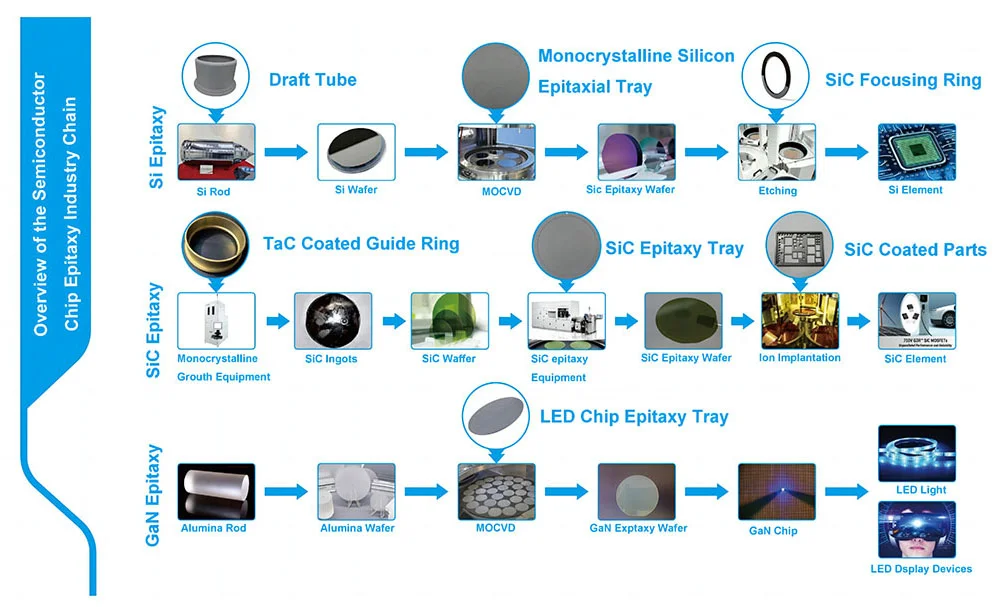
半导体芯片外延产业链概述

Partilha:

Mais Posts

Beyond Silicon: Why TaC Coating is Becoming the Gold Standard for 2000°C+ Environments

In the rapidly evolving power electronics landscape of 2026, we are pushing wide-bandgap semiconductors to their physical limits. As the demand for higher growth rates and superior crystalline quality intensifies, the industry is moving toward higher processing temperatures—often exceeding 2000°C. At these extremes, traditional materials fail, and Revestimento de carboneto de tântalo (TaC) emerges as the critical enabler.

Scaling Excellence: Solving Thermal Field Challenges in the 8-Inch SiC Era

In 2026, the semiconductor industry is no longer just a race for smaller nanometers; it is a race for material stability at extreme limits. As global production scales toward 8-inch Silicon Carbide (SiC) wafers to meet the demands of AI and high-voltage power electronics, the industry faces a critical bottleneck: Thermal Field Uniformity.

Navigating the 200mm Transition: Why TaC Coating is the Deciding Factor for 8-inch SiC Yields

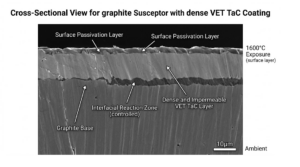
Introduction As the global power electronics industry aggressively shifts from 150mm (6-inch) to 200mm (8-inch) SiC wafer production, the conversation often stays on the reactors themselves. However, at the heart of the MOCVD and Epitaxy process lies a silent but critical component: the graphite susceptor. If you are seeing a drop in yield or unexpected crystal defects as you scale to 8-inch, you aren’t alone. The thermal and chemical stresses at 1600°C+ are pushing traditional coatings to their breaking point.

The Endgame of 200mm SiC Scaling: Who Defines the Yield Ceiling in 2026?

As global leaders transition to total 200mm (8-inch) SiC production, the industry focus has shifted from “capacity” to “atomic-level control.” In the high-stakes environment of 2026, the real competition isn’t about wafer count—it’s about the coating technology that dictates your Fab’s bottom line.

Enviar uma mensagem

pt_PT_ao90Portuguese

Ansioso pelo seu contacto connosco

Vamos conversar